트랜스미션 한글
TRANSMISSION HANGEUL
1. The First Interstellar Message Based on Korean and Hangeul
Transmission Hangeul is the first interstellar message designed to convey the basic features of Korean and Hangeul, one of the human languages and its writing system, to extraterrestrial intelligence. It was transmitted to space on November 16, 2024, exactly 50 years after the transmission of the first human interstellar message, Arecibo Message.
The project has been led by Korean interdisciplinary artist Jongkuk Won, also known as Unhappy the Cosmic Traveler (or simply Unhappy), in collaboration with National Science Museum of Korea as a co-planning partner.
In addition, the project received technical support from Korean startups Spacebeam Inc. and METASPACE, both specializing in space communication and astronomical observation technologies.
2. What Is Interstellar Messages?
1) SETI and METI
① SETI: Search for Extra-Terrestrial Intelligence
SETI, a branch of radio astronomy, aims to find evidence of extraterrestrial intelligence by attempting to capture artificial electromagnetic signals originating from distant space.
However, most of these signals were later identified as either interference from near-Earth sources or emissions from unusual celestial bodies, with some remaining unexplained due to the lack of further verification.
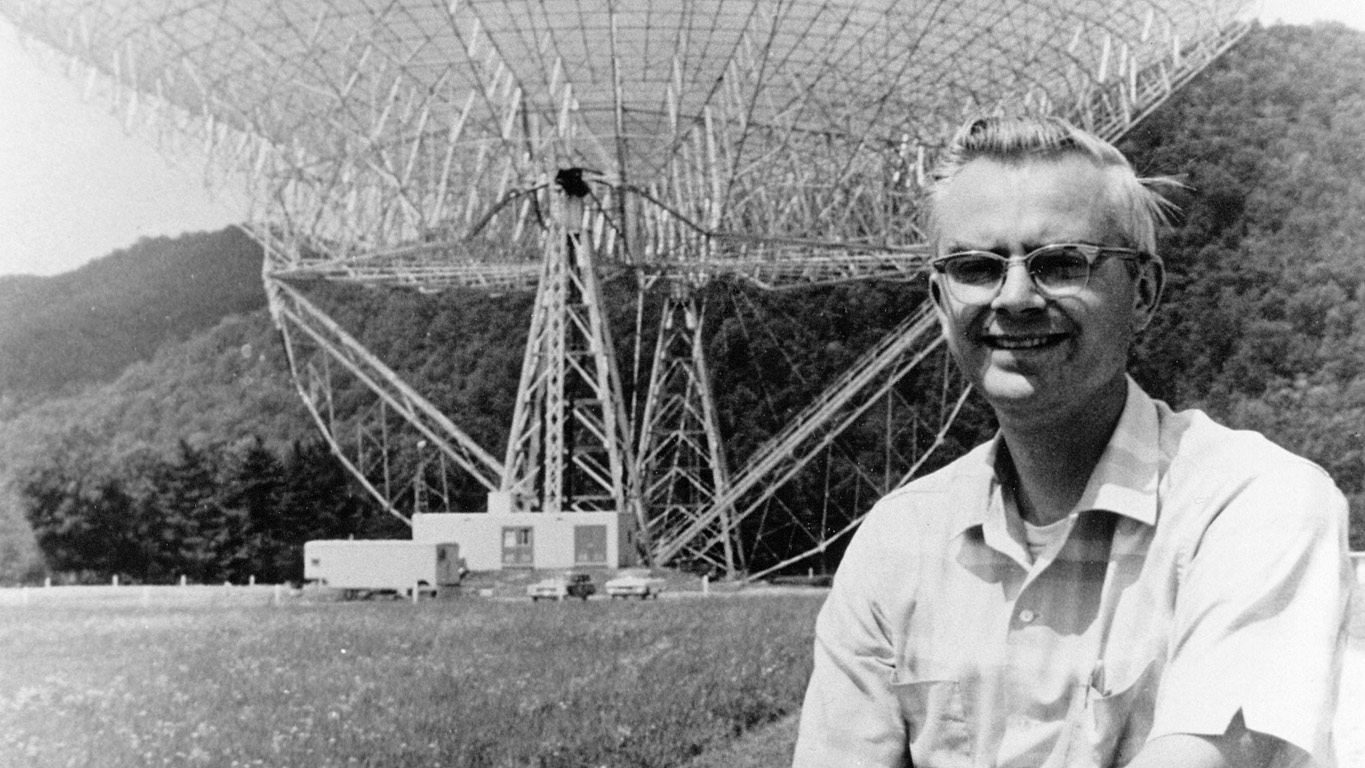
[Figure 1] In 1960, astronomer Frank Drake conducted Project Ozma, the first SETI program.
(Credit: National Radio Astronomy Observatory)
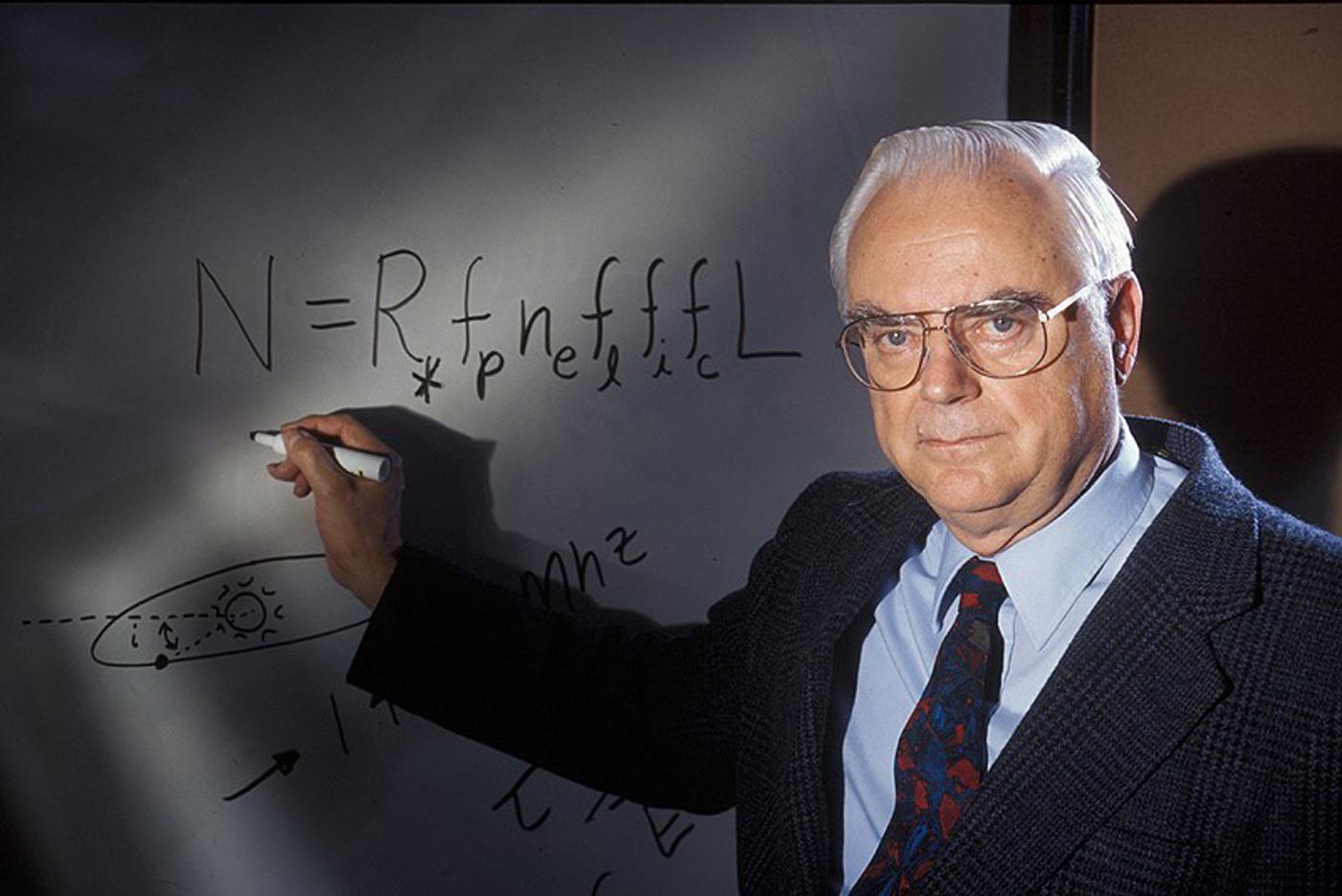
[Figure 2] In 1961, Drake devised the Drake Equation, a formula used to estimate the number of extraterrestrial civilizations within our galaxy.
(Credit: SETI Institute)
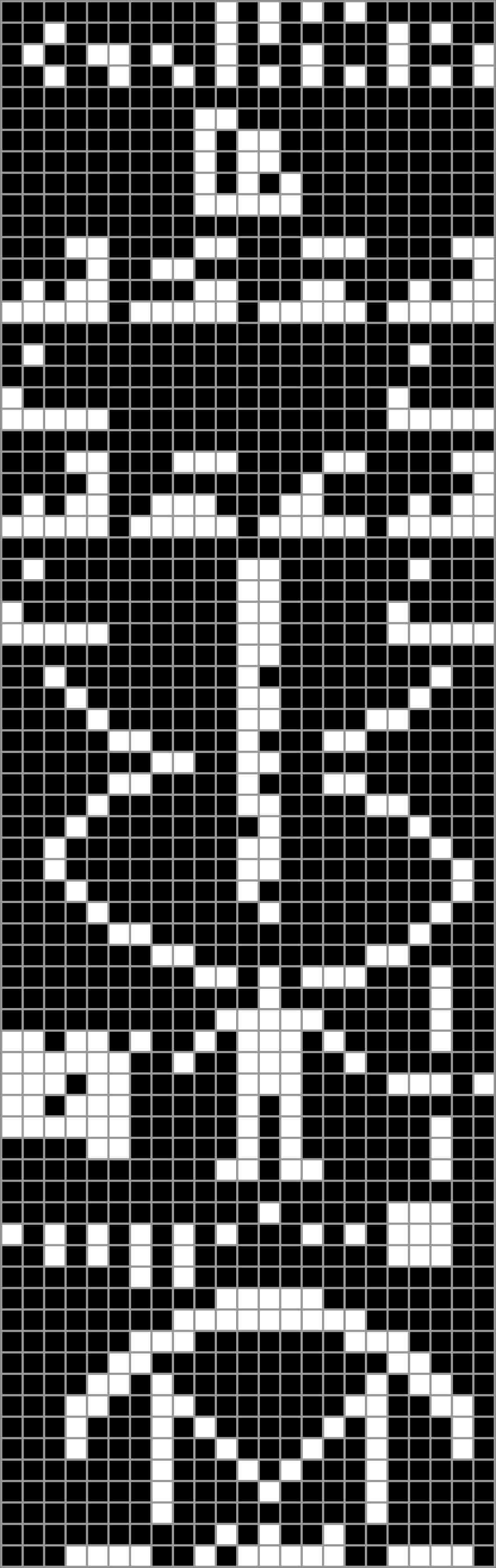
[Figure 3] In 1974, Drake created the first modern interstellar message, the Arecibo Message, and transmitted it toward the Messier 13. (Credit: Wikipedia)
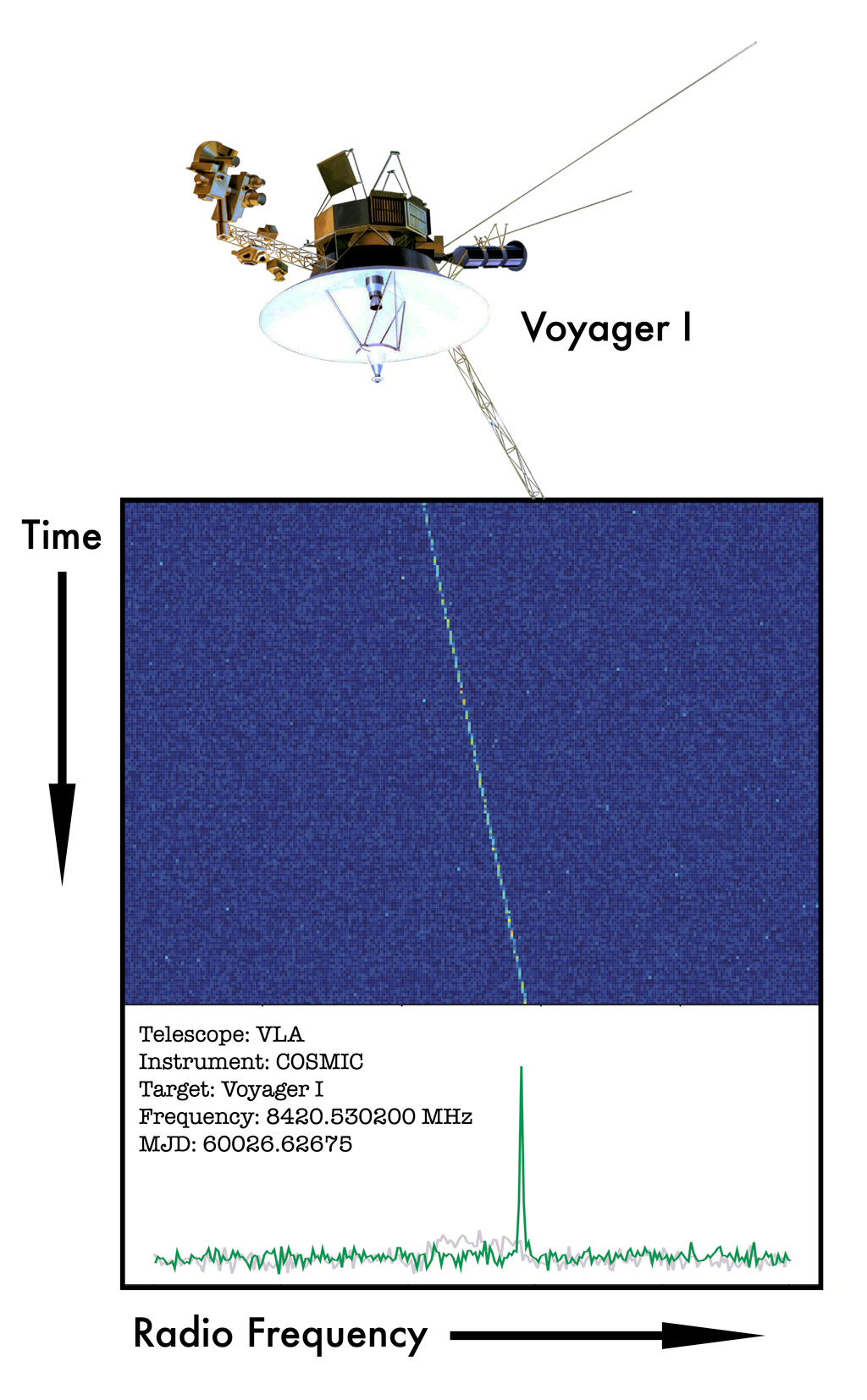
[Figure 4] The signals sent by the Voyager spacecraft to Earth demonstrate the characteristics of artificial electromagnetic signals arriving from distant space.
(Credit: SETI Institute)
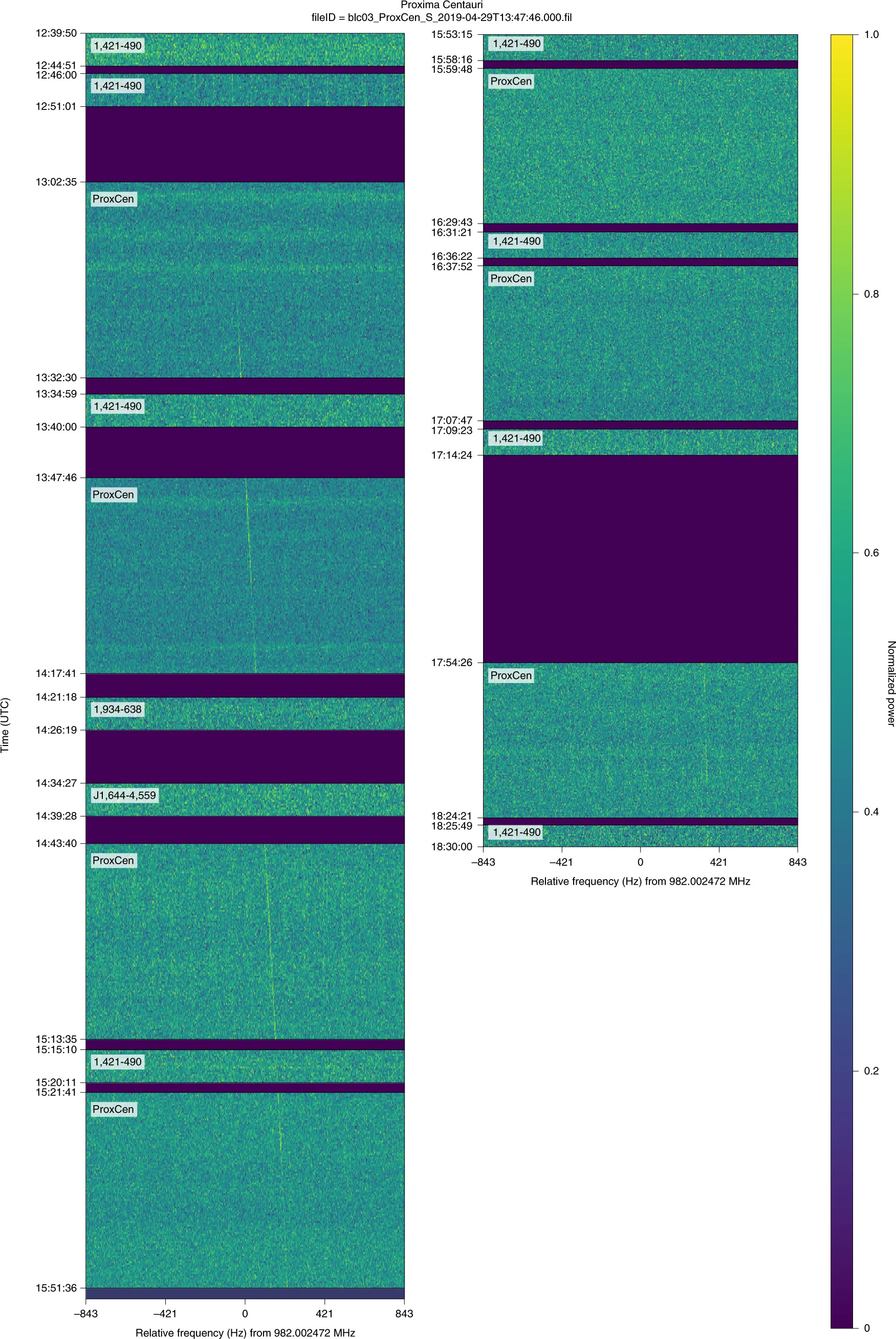
[Figure 5] The unusual electromagnetic signal BLC1, observed in 2019 from the direction of Proxima Centauri, was concluded to be caused by interference near Earth after further investigation.
(Credit: Nature Astronomy)
② METI: Messaging to Extra-Terrestrial Intelligence
METI, or Messaging to Extra-Terrestrial Intelligence, aims to develop and transmit interstellar messages. While SETI focuses on “listening,” METI focuses on “speaking” to the universe.
METI is based on interdisciplinary research, incorporating perspectives from various fields such as linguistics, anthropology, psychology, archaeology, biology, neuroscience, and the arts.
Before the 2000s, METI was known as Active SETI or CETI (Communication with Extraterrestrial Intelligence). However, astronomer Alexander Zaitzev proposed renaming it METI. The previous two terms implied a focus on receiving responses from extraterrestrial intelligence, whereas METI emphasizes the broader significance of announcing humanity’s existence to the universe.


[Figure 6] METI International, led by Douglas Vakoch, is an interdisciplinary research organization where experts from various fields gather to focus on METI.
(Credit: IMDB)
[Figure 7] Astronomer Alexander Zaitzev, who first proposed the name METI, was very proactive in raising awareness about the importance of sending messages into space.
(Credit: Seth Shostak)
2) Previous Interstellar Messages
Over the past 50 years, humanity has sent messages into space in various forms. Some have been sent as digital data transmitted through radio signals, such as the Arecibo Message, while others have been sent as physical objects carried aboard space probes, such as the Voyager Golden Record. These efforts have been not only serious scientific attempts aimed at contacting extraterrestrial intelligence but also a process through which humanity reflects on itself and organizes its existence and culture into a cosmic narrative.
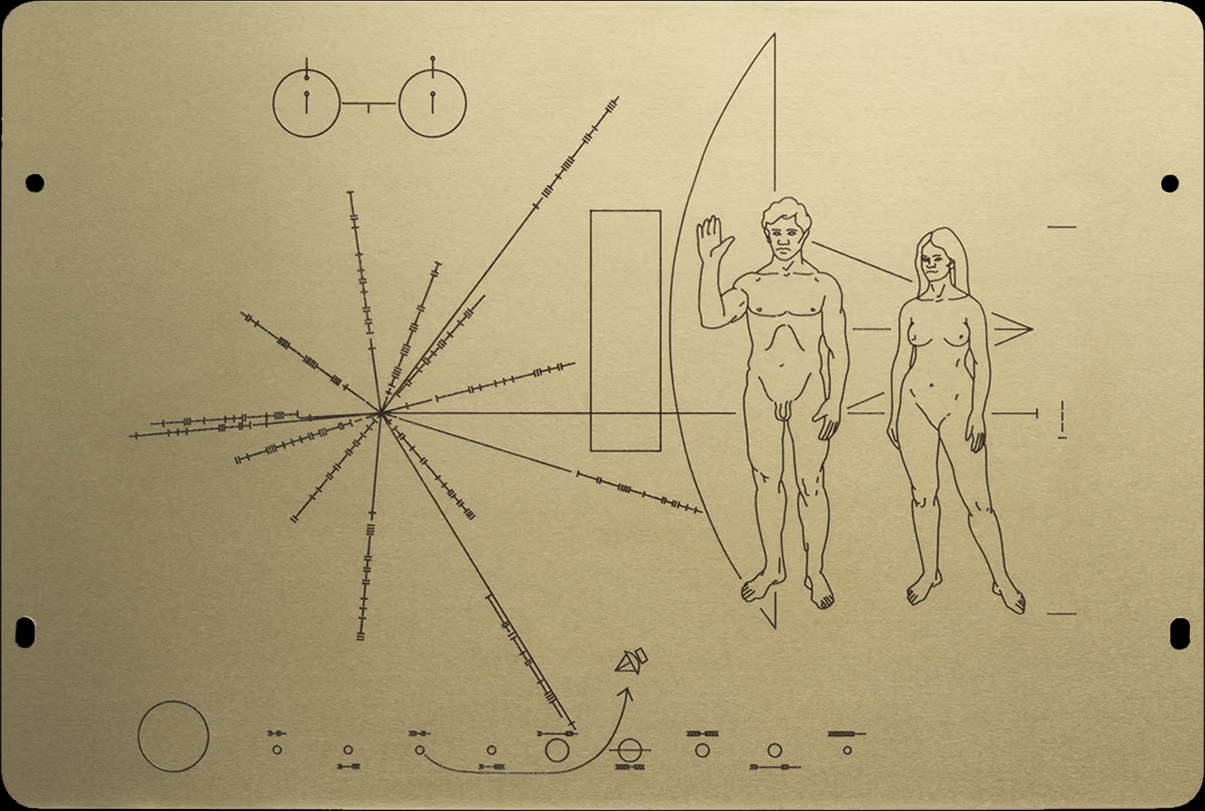
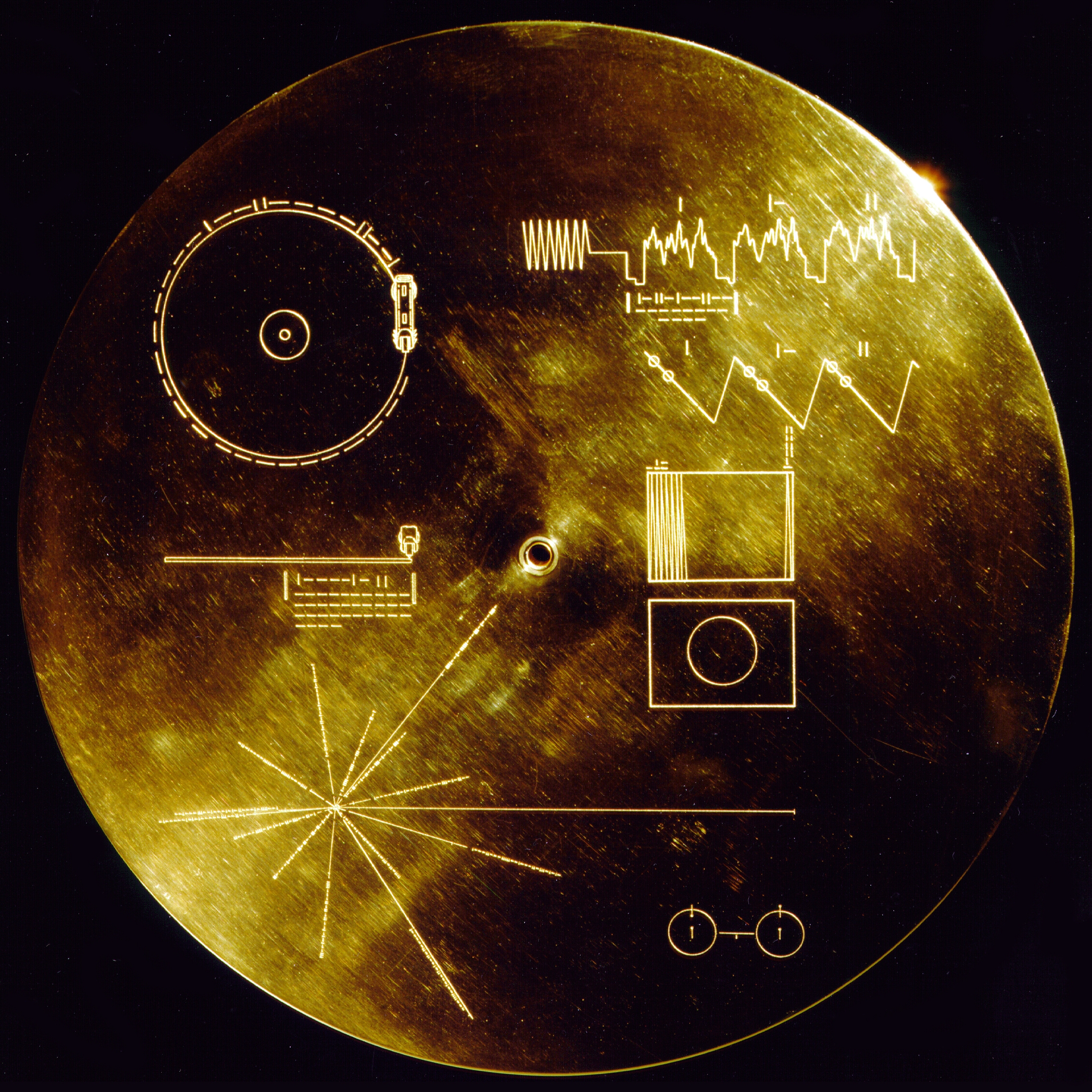
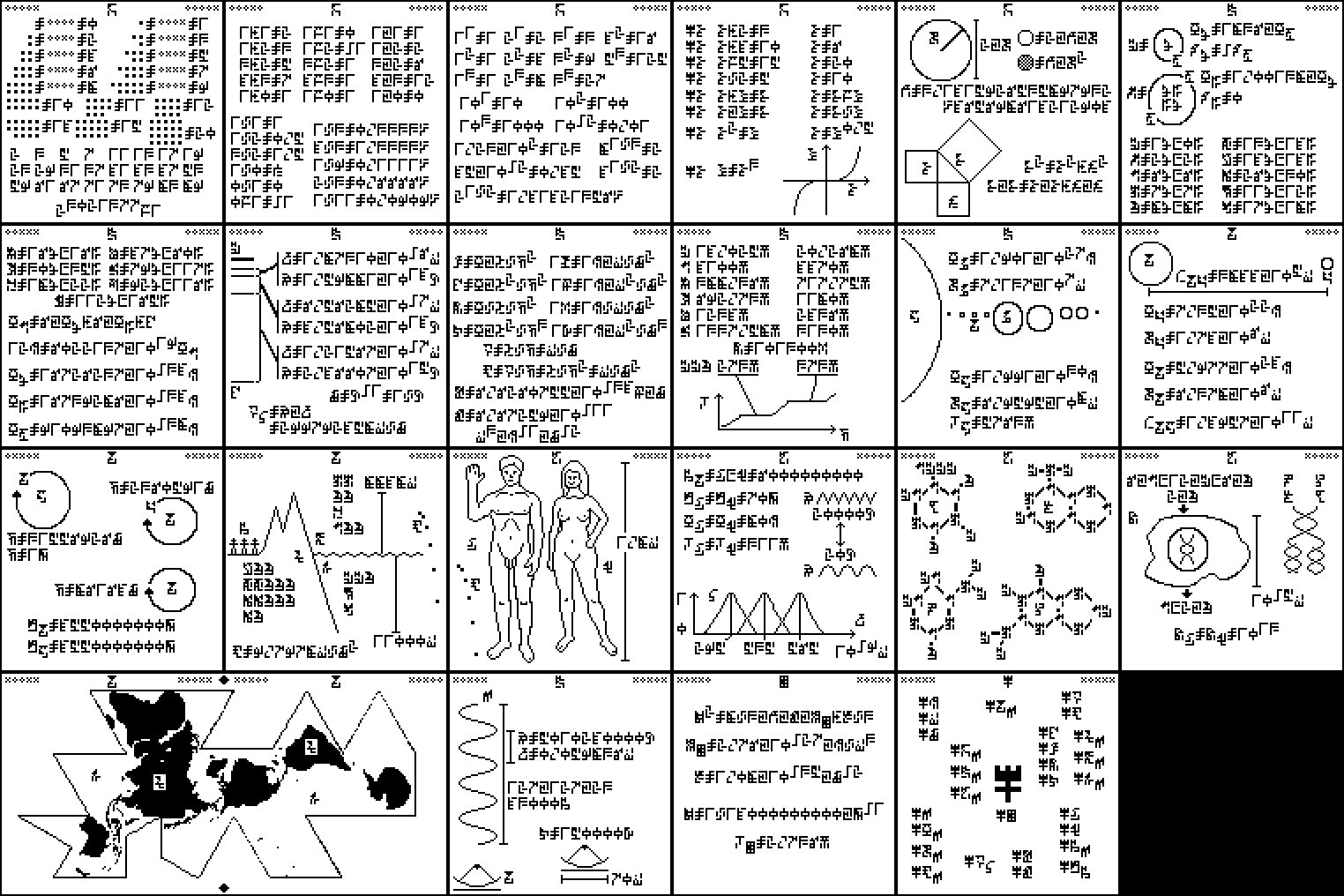
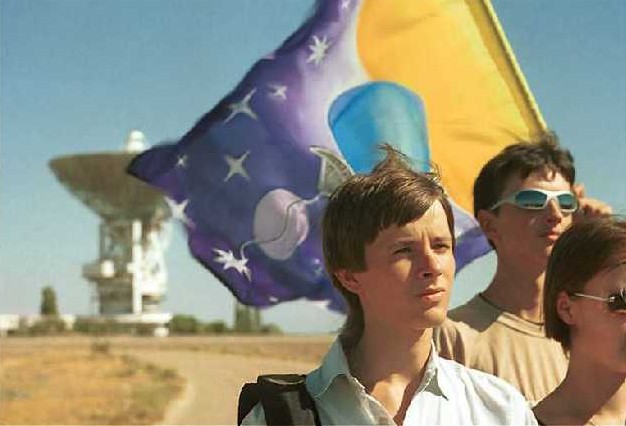
[Figure 8] Interstellar messages have been sent into space over the past 50 years:
Pioneer Plaque (1972),
Arecibo Message (1974),
Voyager Golden Record (1977),
Cosmic Call (1999),
Teen-Age Message (2001)
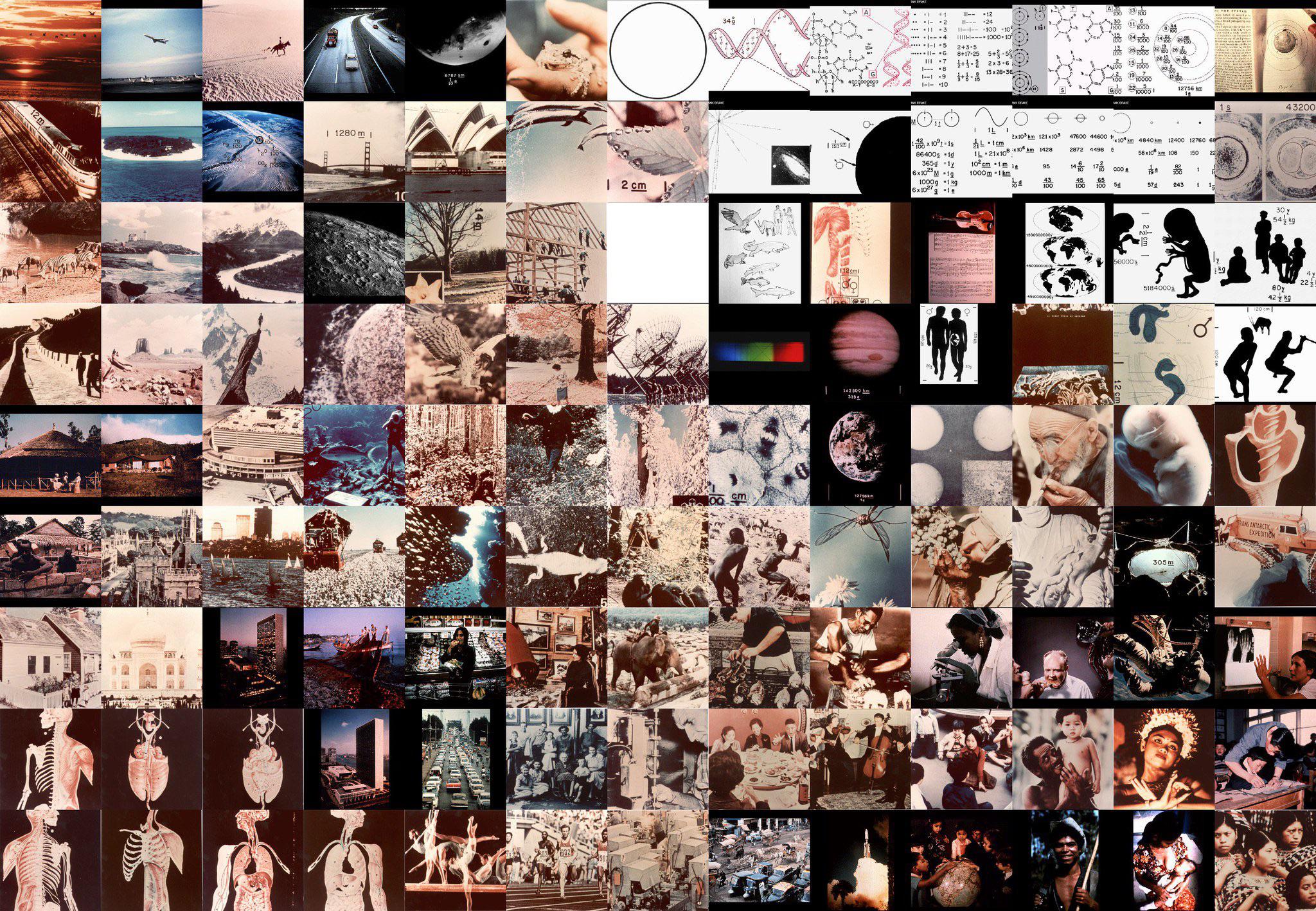
[Figure 9] Voyager Golden Record contains 116 images depicting humanity, greetings recorded in 55 languages, sounds of nature, and music from around the world. (Credit: NASA)
3) How to Design Interstellar Messages
The greatest challenge in designing a interstellar message is that we know nothing about extraterrestrial intelligence. Therefore, creating a interstellar message requires making minimal conditions about extraterrestrial intelligence. METI defines the conditions of the extraterrestrial intelligence the message aims to reach as follows and designs interstellar messages based on these criteria.
Extraterrestrial intelligence
- Beings separated from Earth by astronomical distances
- A technologically advanced civilization that observes and analyzes the universe using various electromagnetic waves
First, METI assumes that extraterrestrial intelligence is located at astronomical distances from Earth. Due to the physical limitation of the speed of light, communication between humanity and extraterrestrial intelligence would involve a dialogue occurring over astronomical space and time, spanning multiple generations. This means that immediate feedback on each other's messages cannot be exchanged. Therefore, an interstellar message must be designed in a way that allows extraterrestrial intelligence to fully understand.
So, how can we create such an interstellar message? The answer can be found in the second condition regarding extraterrestrial intelligence. Extraterrestrial intelligence that METI aims to reach would need to have the technological capability to receive and analyze the messages we send. In other words, METI assumes that such intelligence would have a fundamental understanding of mathematics, science, and the dimensional structure of data. This means that mathematics and science can serve as a "language" that both extraterrestrial intelligence and humanity can share.
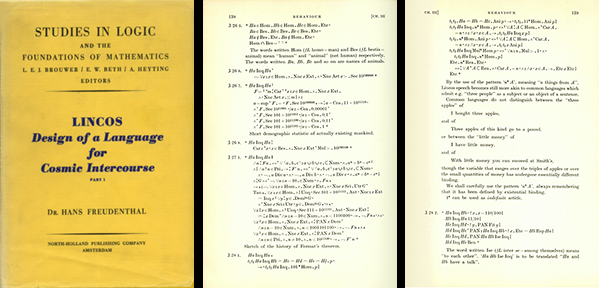
[그림 10] [Figure 10] In 1960, mathematician Hans Freudenthal proposed in his book Lincos (Lingua Cosmica) the possibility of communicating with extraterrestrial intelligence through mathematical and logical expressions. (Credit: Open Culture)
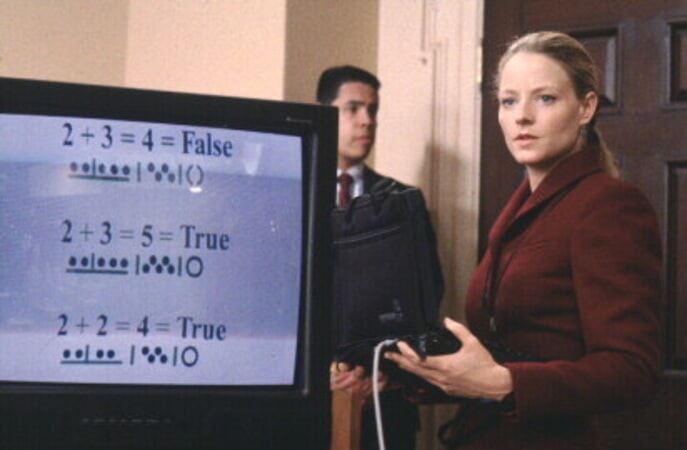
[Figure 11] In Carl Sagan’s novel Contact and its 1997 film adaptation, mathematics and science are presented as the only language of the universe. (Credit: WarnerBros.com)
3. A new interstellar message is needed!
1) How long can we communicate through mathematics?
Cosmic Call, transmitted into space in 1999, expressed information using a language based on mathematics and science. This was because mathematics and science were regarded as the only “language of the universe.” Indeed, mathematics and science can be seen as forms of language and knowledge that may be understood across the universe. But how long can we communicate solely through the language of mathematics?
Humans, unlike the Vulcans in Star Trek, are not beings that think purely through logic. For example, Concepts such as “love” carry multidimensional meanings and are therefore difficult to define through a single logical or quantitative approach.
Above all, these concepts are deeply connected to human culture, psychology, and life. In other words, they cannot be omitted when explaining what it means to be human. When we need to convey these concepts to extraterrestrial intelligence, can we fully communicate their meaning through the language of mathematics?
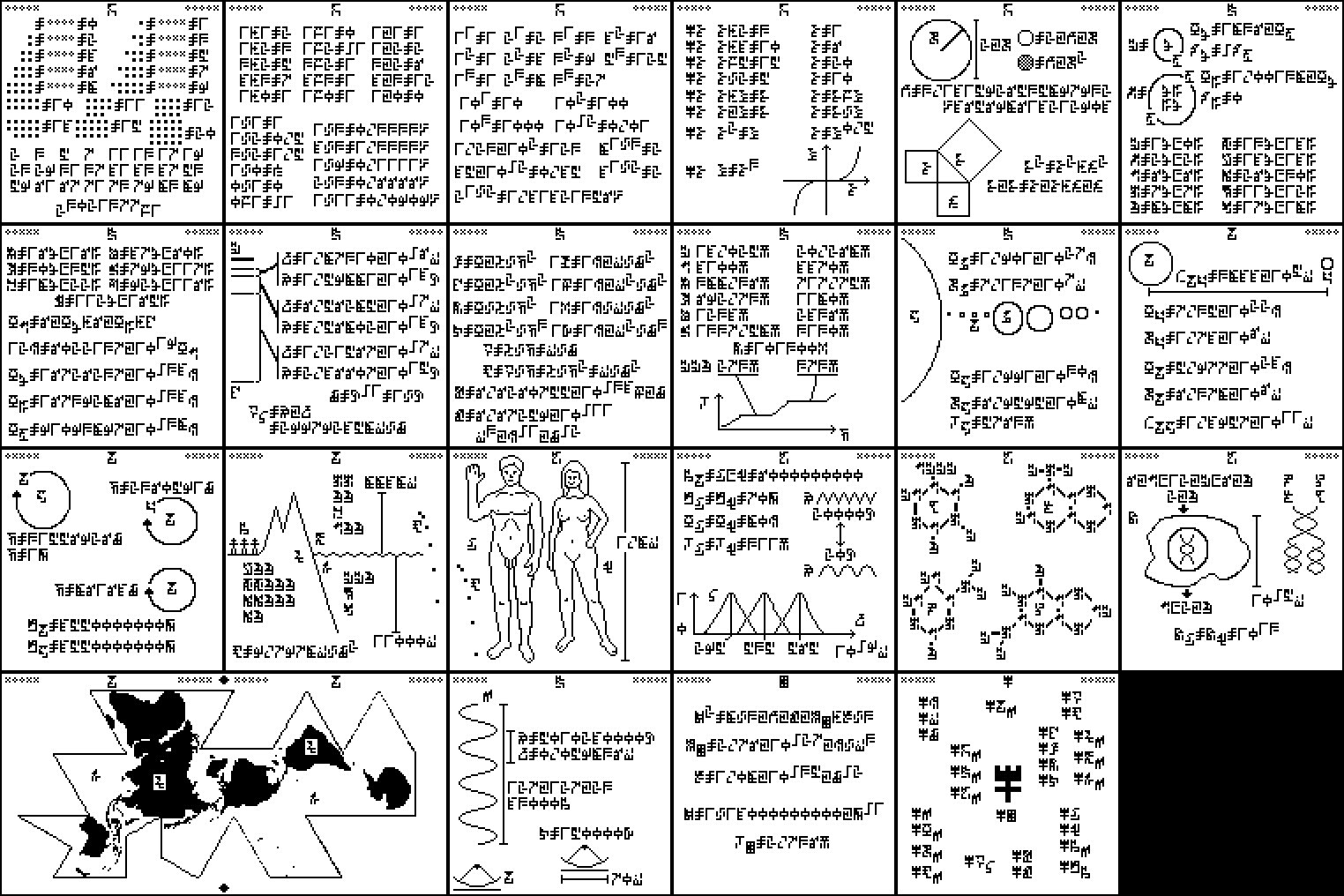
[Figure 12] Cosmic Call, an interstellar message transmitted into space in 1999, expresses scientific information through the language of mathematics in a sophisticated way.(Credit: Smithsonian Magazine)
2) Why couldn't we create an interstellar message using human languages?
Voyager Golden Record, sent into space in 1977, contains greetings recorded in 55 languages from around the world. Below is one of the greetings recorded in Arabic.
.تحياتنا للأصدقاء في النجوم. يا ليت يجمعنا الزمان
'Greetings to the friends in the stars. We wish time would bring us together.'
Unfortunately, extraterrestrial intelligence can't understand the meaning of this heartfelt greeting. The reason is that the Golden Record did not include the necessary clues to enable extraterrestrial intelligence to decode this message. Carl Sagan and the creators of the Golden Record were aware of this issue. However, instead of selecting one or two human languages and creating a sort of dictionary to explain them, they decided to collect simple greetings recorded in as many languages as possible. While extraterrestrial intelligence may not be able to fully decipher the content of the audio messages on the record, it can be expected that they might at least infer that these messages could be some form of greeting toward them. Additionally, the true goal of the record was not practical contact with extraterrestrial intelligence, but rather to send a message of unity to humanity during the Cold War era.
In fact, human languages are not only numerous but also closely connected to human biological traits, ways of thinking, and culture. Furthermore, new variations are constantly being created, forming a complex and ambiguous system. Moreover, humans acquire language through interaction with others. These characteristics of human language make it unsuitable as a medium for communication with extraterrestrial intelligence. Even our own languages, such as foreign or ancient ones, can often be difficult for us to understand.
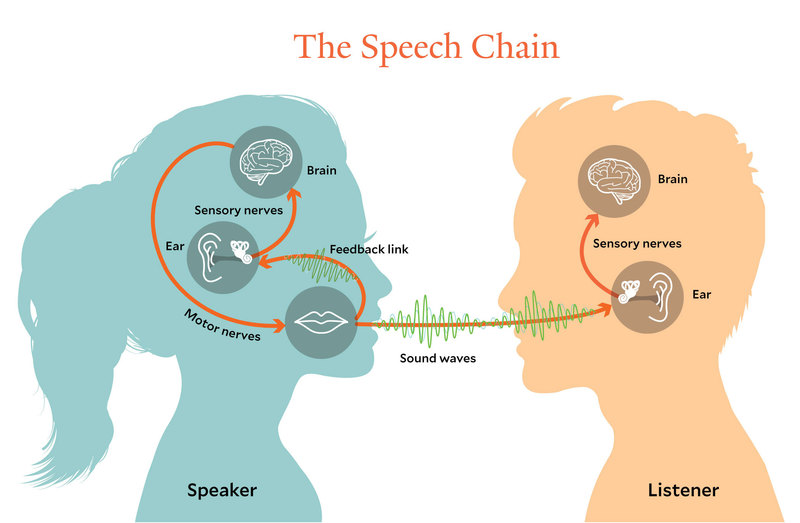
[Figure 13] Human language is closely connected to human biological characteristics and way of thinking. Additionally, humans acquire language through interaction with others. (Credit: Yale University Library Online Exhibitions)
3) Teen-Age Message: The First Attempt to Create a Visual Dictionary for Extraterrestrial Intelligence
The Teen-Age Message created by Alexander Zaitsev is a interstellar message composed of various forms of data, including music, images, and text. What is particularly noteworthy among the data included in this message are the text message and the image data that explains the meaning of some words in the message. This heartfelt text message was written by teenagers from Russia and Ukraine who participated in the Teen-Age Message project. Looking back at the situation of the two countries over 20 years after the Teen-Age Message was transmitted to space, this message makes us reflect on the current state of humanity.
|
Dear friends from the Universe!
We are the children from the Earth planet, sending this Message to you. We want you to know that you are not alone in the Universe. We offer to be your friends. The Galaxy, where you and we live, is our common Home. We named it the 'Milky Way'. The Earth planet is moving around the star named Sun. The planet itself is covered by ocean and land. There are many creatures living our planet, but only people have created a technological civilization. We live in families: parents and children. Children like to play. We would like to show you our games, drawings, and music. The duration of our life is about 80 years. While writing this Message, we are from 13 to 18 years old. So, we hope to receive your answer. People have many cultures, languages and religions. People have reached technical progress, but scientists have also invented horrible weapons, which may destroy life on our Earth. Our planet is very beautiful, but it is ill. Our problems are wars, ecology, and exhaustion of natural resources. But we hope we shall overcome these problems and all people on Earth will be happy! We would like you! Please, reply. We would be very glad. We wish you peace and love. |

|
[Text 1] The text message contained in the Teen-Age Message
(Credit: A Teen-Age Message to the Stars)
[Figure 14] An illustrated dictionary explaining 12 words from the text message
(Credit: The TAM: Teen-Age Message)
However, it would be difficult for an extraterrestrial intelligence to fully understand the content of the entire text using just these 12 words. A dictionary of words must be able to explain the meaning of every word that makes up the message. Furthermore, extraterrestrial intelligence must be able to understand not only the meanings of individual words but also the way these words are combined to form sentences, that is, the grammar. In the end, the Teen-Age Message did not address all the necessary information required for extraterrestrial intelligence to understand the text message. However, Teen-Age Message laid an important foundation for Transmission Hangeul by first introducing the concept of a human language dictionary for extraterrestrial intelligence.
4) Language Is the Beginning of Understanding
Despite the recognition that human languages may not be suitable for interstellar messages, our desire to send messages expressed in human language to the universe still seems hard to resist. Since the Voyager Golden Record, there have been several instances where people's written or voice messages were gathered and sent into space, but these messages were not accompanied by the clues needed to decipher their contents.
Above all, human language is deeply connected to human ways of thinking, emotions, and culture. This means that understanding human language would allow for a deeper understanding of humanity. We are also deepening our understanding of the beings by understanding the languages of different eras, cultures, and species. If, someday, a conversation between humanity and extraterrestrial intelligence begins, the language between the two will become an important issue for mutual understanding, beyond mathematics and science.

[Figure 15] Ted Chiang's novel Story of Your Life (2002) and the film adaptation Arrival (2016) depict the effort of a linguist to understand the language of extraterrestrial intelligence. (Credit: IMDB)
4. Transmission Hangeul:
Hangeul Dictionary for Extraterrestrial Intelligence
1) What language should we choose?
Transmission Hangeul is a kind of small dictionary that conveys basic information about human language to extraterrestrial intelligence, focusing on Korean and Hangeul, among the many languages of Earth. The reason for choosing Korean as the primary language of Transmission Hangeul is simply because it is the language that is most familiar to the creator of the message. In fact, the choice of language may not be that important. Although human languages appear to be different, they statistically share similar characteristics. Linguist Noam Chomsky referred to this as "universal grammar." The progress of translation technology based on the Large Language Model also demonstrates the universal properties inherent in human languages. This means that expanding an interstellar message built around any arbitrary language to other languages would not be a particularly difficult task.
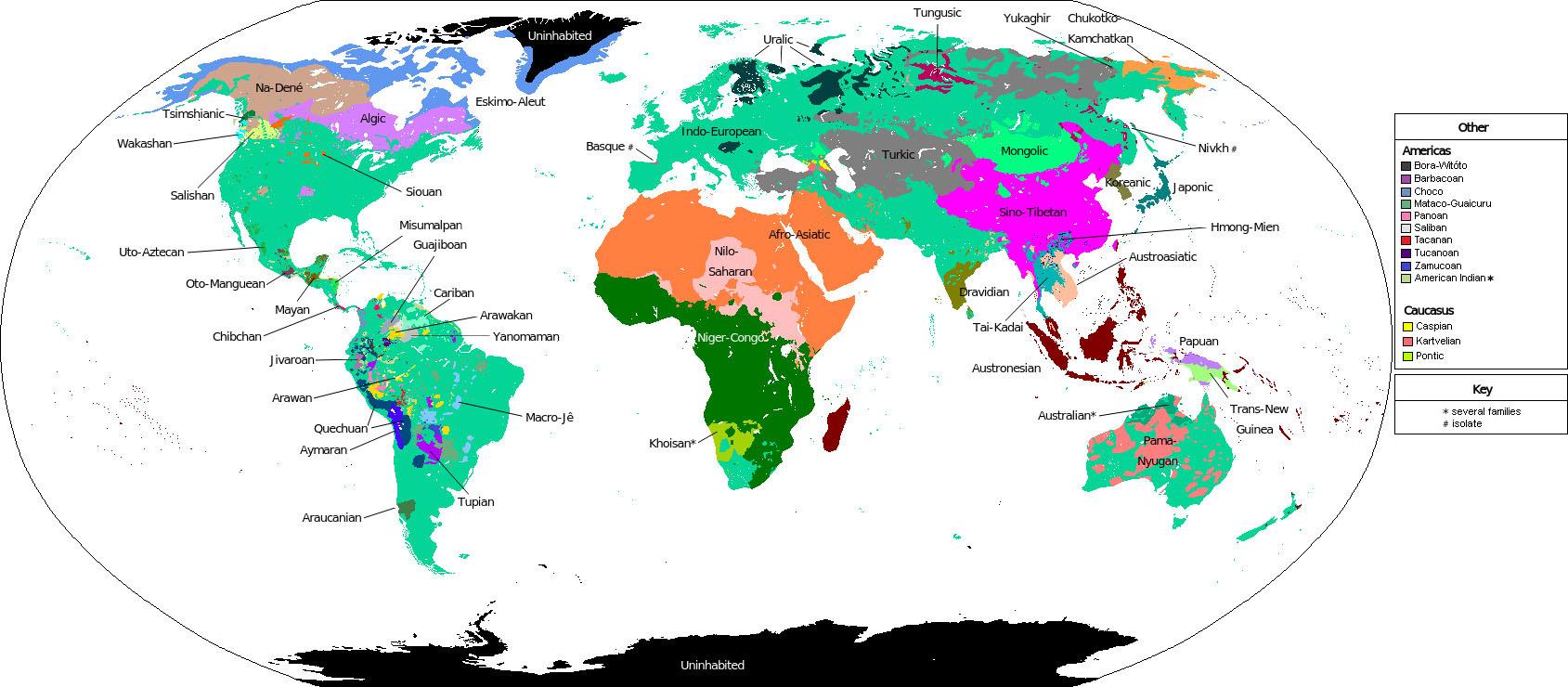
[Figure 16] Most human languages can be classified into groups called "language families." (Credit: Wikipedia)
2) Features of Hangeul
Hangeul, the script primarily used to write the Korean language, has several distinctive features in terms of its form.
First, the shapes of the hangeul consonants were designed to depict the human vocal organs. Letters such as ㄱ, ㄴ, ㅅ, ㅇ, and ㅁ represent the anatomical structures of the tongue, throat, and lips as they articulate sounds. This well reflects a defining characteristic of human language, which uses the vocal organs to communicate through sound.
In addition, the shapes of the Hangeul vowels reflect the traditional Korean cosmology of heaven, earth, and humanity. The vowel letters ㅏ, ㅓ, ㅗ, and ㅜ were constructed by combining these three basic symbols: ●, representing heaven (the sun); ㅡ, representing the earth; and ㅣ, representing the human standing between them.
Moreover, hangeul forms individual characters through syllabic block writing called moa-sseugi, in which consonants and vowels are grouped into a single syllable unit. This method makes each character legible at a glance, allowing readers to grasp its meaning quickly.
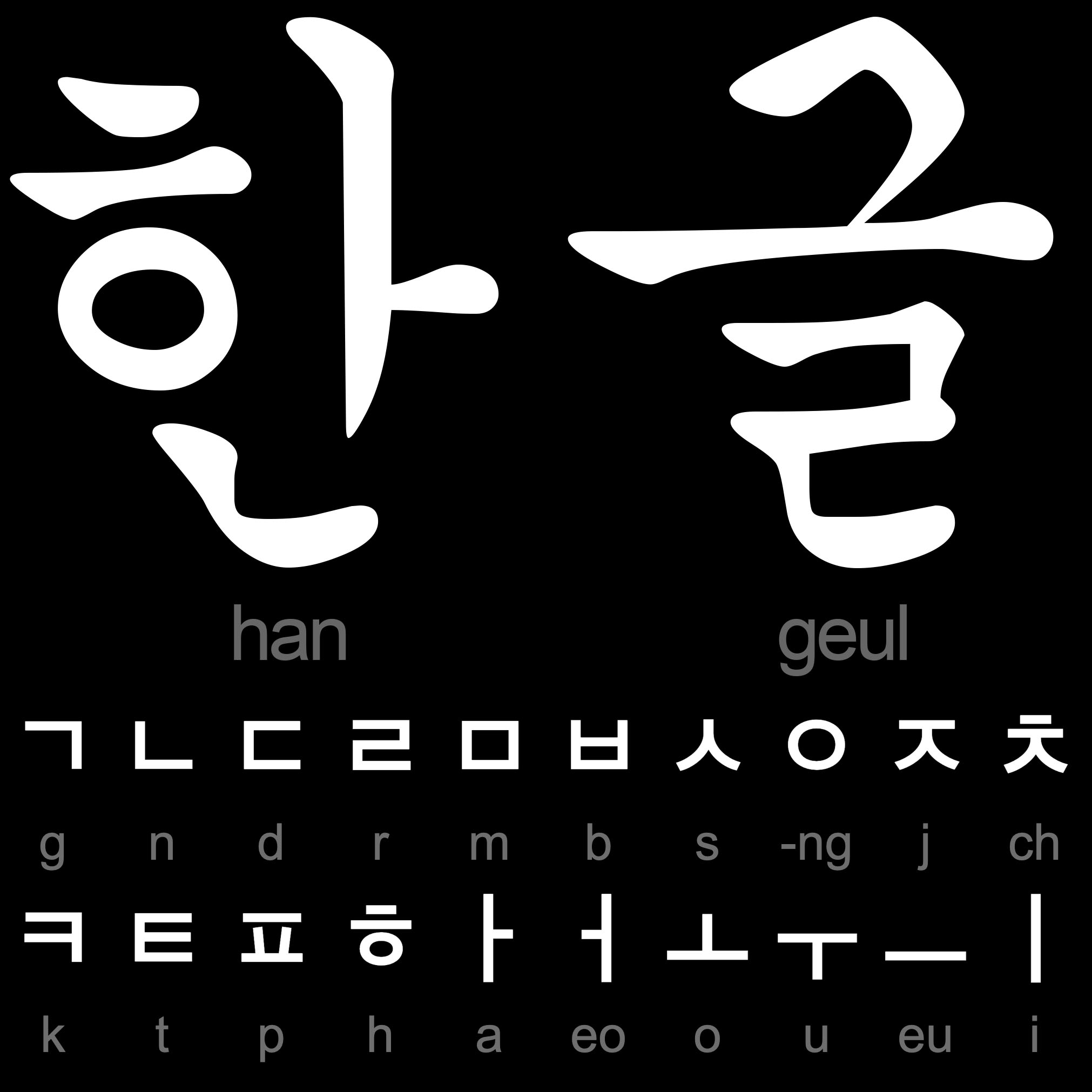
[Figure 17] The Structure of Hangeul
The consonants of Hangeul were designed based on the shapes of human speech organs, while the vowels reflect the ideas of korean traditional cosmology. This makes Hangeul not only an effective representation of human sounds but also a reflection of Korea's traditional cultural identity.
(Credit: Wikipedia)
3) Korean and Hangeul Dictionary for Extraterrestrial Intelligence
Transmission hangeul conveys information by arranging characters, symbols, and images on a two-dimensional plane. This is a way of representing information based on human visual perception.
However, even beings with senses different from ours would certainly be able to understand the structure of two-dimensional information, provided they are intelligent life forms with sufficiently advanced science and technology.
This is because two-dimensional information has a relatively simple structure. It is hard to imagine that an intelligence with a basic understanding of space and objects would fail to grasp such simple two-dimensional information. Furthermore, a civilization with the science and technology to observe the universe would also possess the ability to understand and process multidimensional data structures.
Of course, in terms of data structure, one-dimensional forms of information, such as Morse code, are simpler than two-dimensional ones. In other words, a two-dimensional structure is simple yet can carry complex information, making it an information structure well suited to interstellar messages — one that can be conveyed across differences in sensory and cognitive systems.
4) Korean and Hangeul Dictionary for Extraterrestrial Intelligence
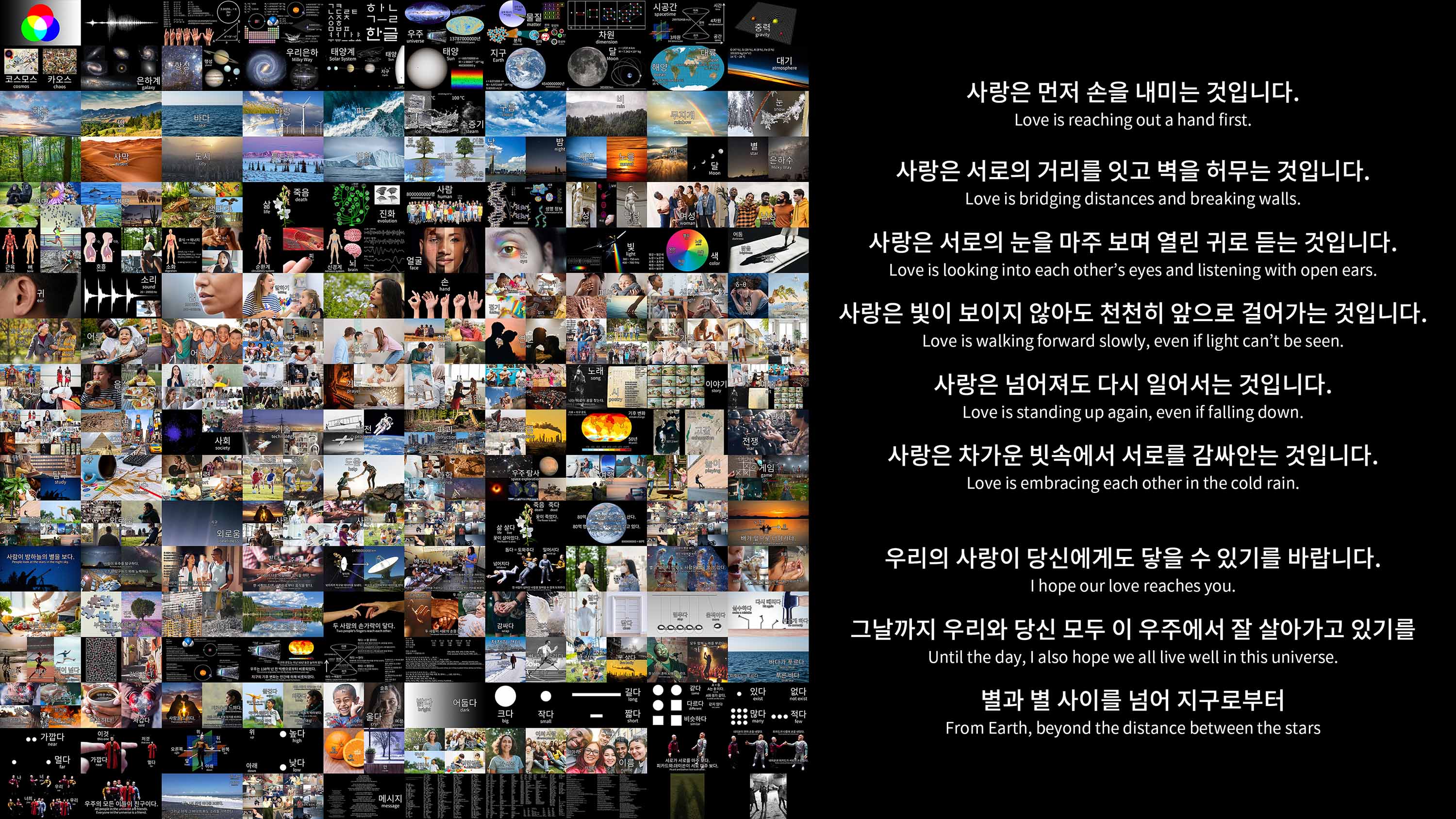
The entire data set of Transmission hangeul consists of 180 color images at a resolution of 3840×2160, commonly known as 4K. These images contain information on a total of 375 Korean words, including 239 nouns, 56 verbs, 36 adjectives, and 13 adverbs. They also contain information on the basic grammatical system of the Korean language, such as its sentence structure centered on the subject and predicate, ways of connecting multiple sentences, and the conversion of parts of speech and the conjugation of verbs.
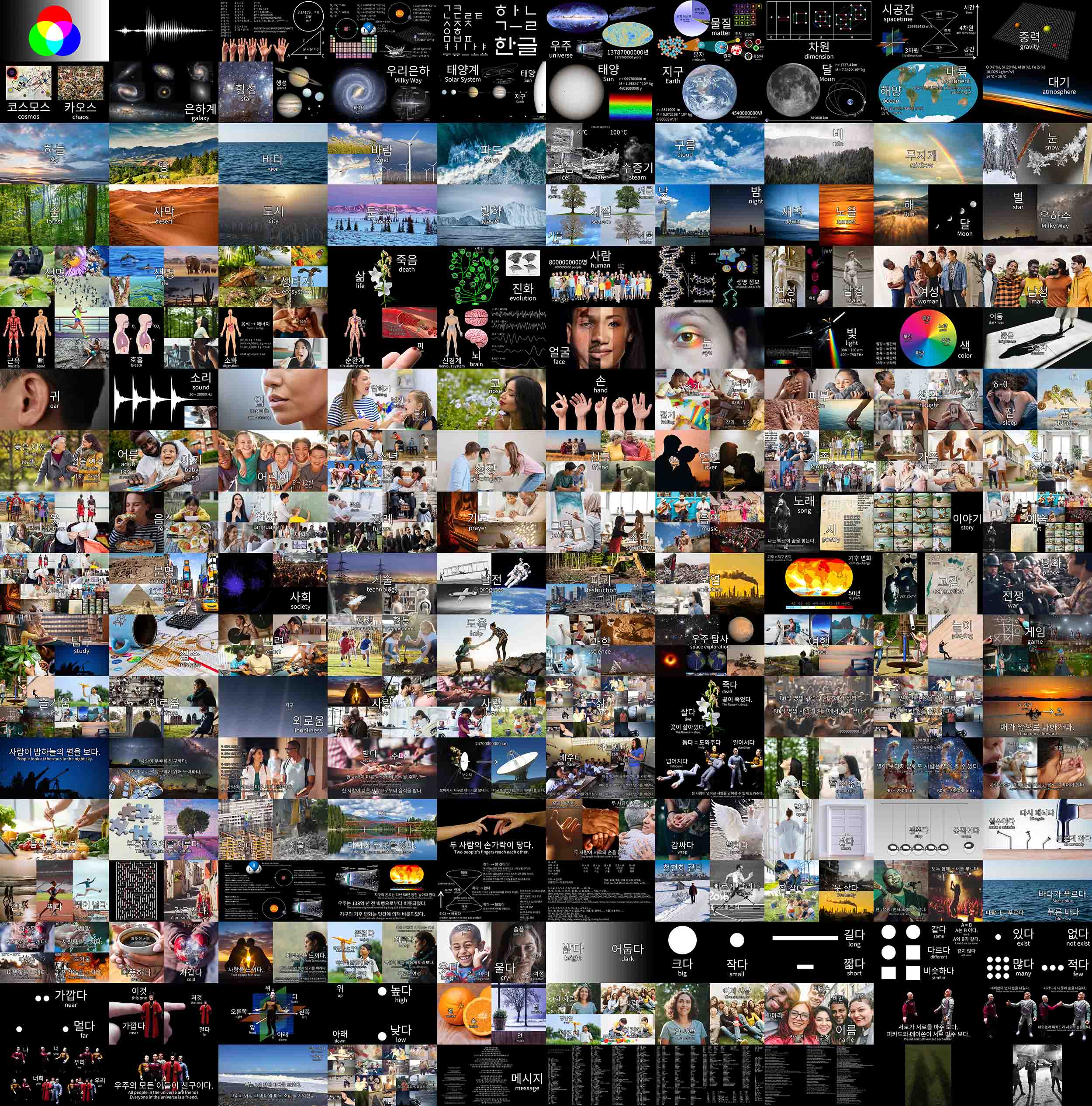
[Figure 18] Complete Image Data of Transmission Hangeul
The image data of Transmission Hangeul consists of 180 color images, each with a resolution of 3840 x 2160 pixels, containing information about Korean vocabulary and grammar.
① First Section: Structure of the Data and Human way of Information Expression
The first section of Transmission Hangeul informs the extraterrestrial intelligence that they have accurately reconstructed the received data into the color images and audio we intended, and introduces the human way of representing information through symbols, characters, and images on a two-dimensional plane.
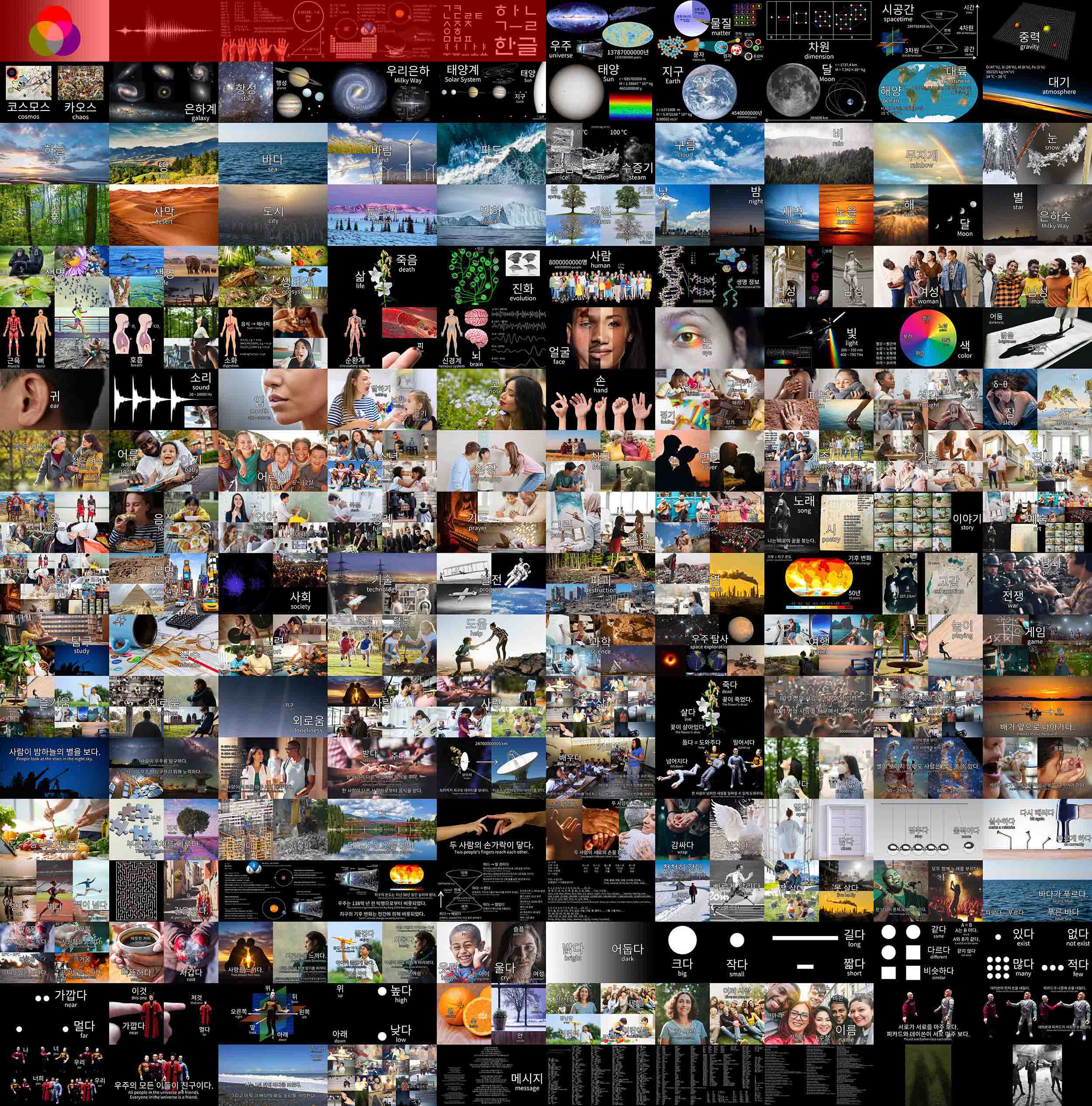
[Figure 19] The First Section of Transmission Hangeul
The first section of Transmission Hangeul demonstrates to extraterrestrial intelligence the structure of the data composing the message and the way information is represented.
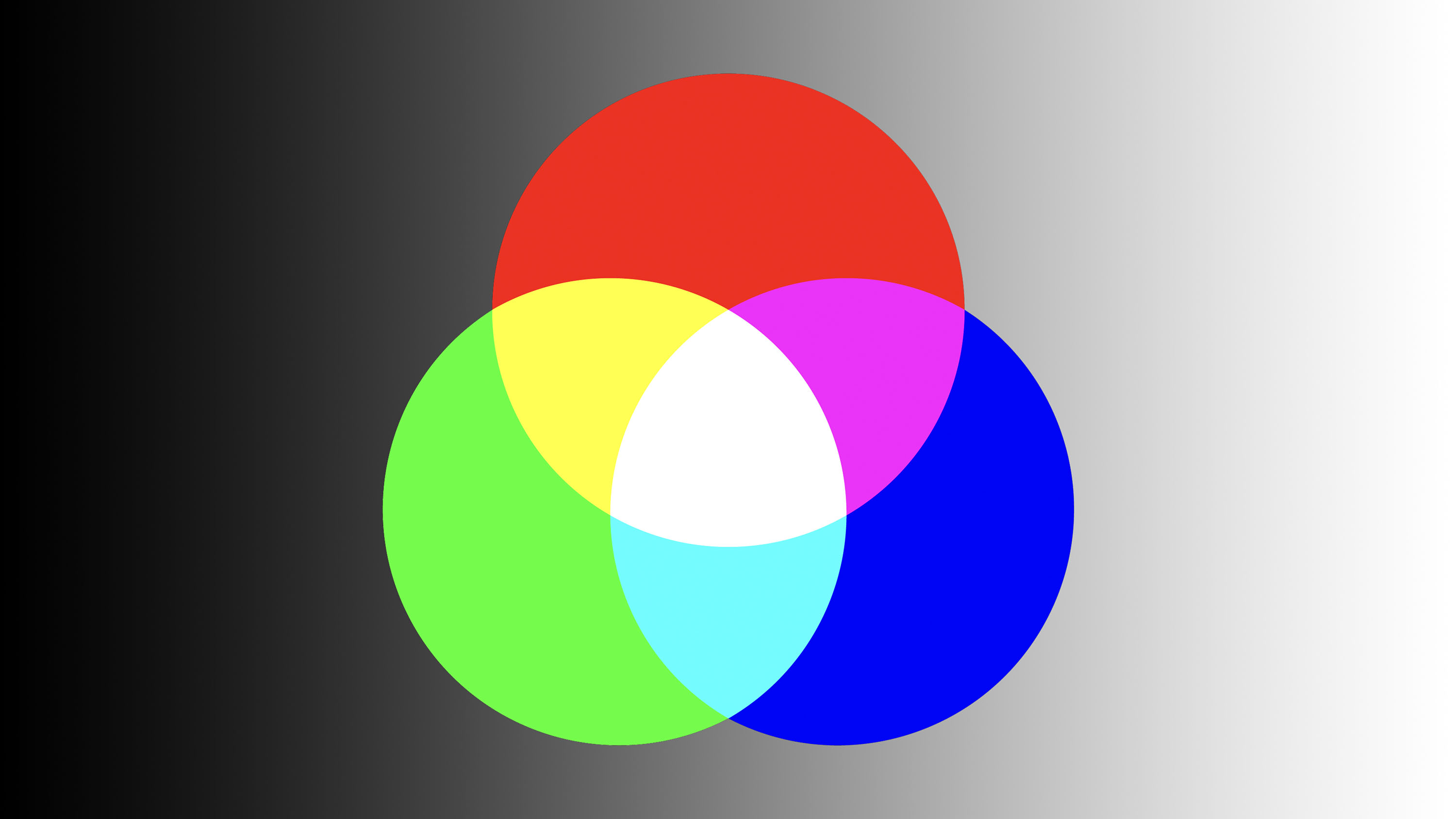
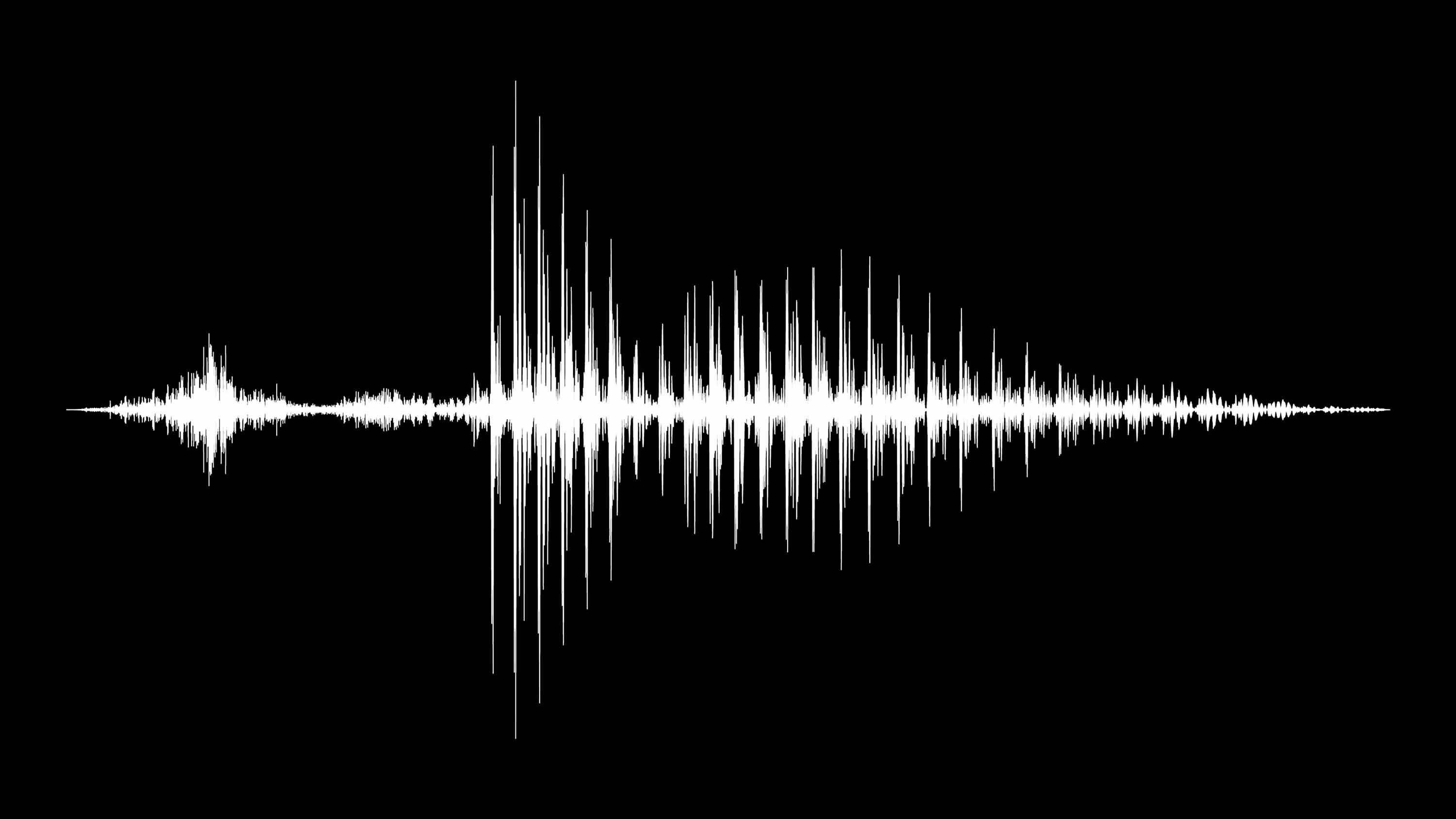
[Figure 20] Forms of Color Image and Audio Data
The color images are digital data composed of combinations of red (R), green (G), and blue (B), with brightness expressed in a total of 256 levels, from the darkest color (black: 0) to the brightest (white: 255). The audio data consists of a one-dimensional waveform.
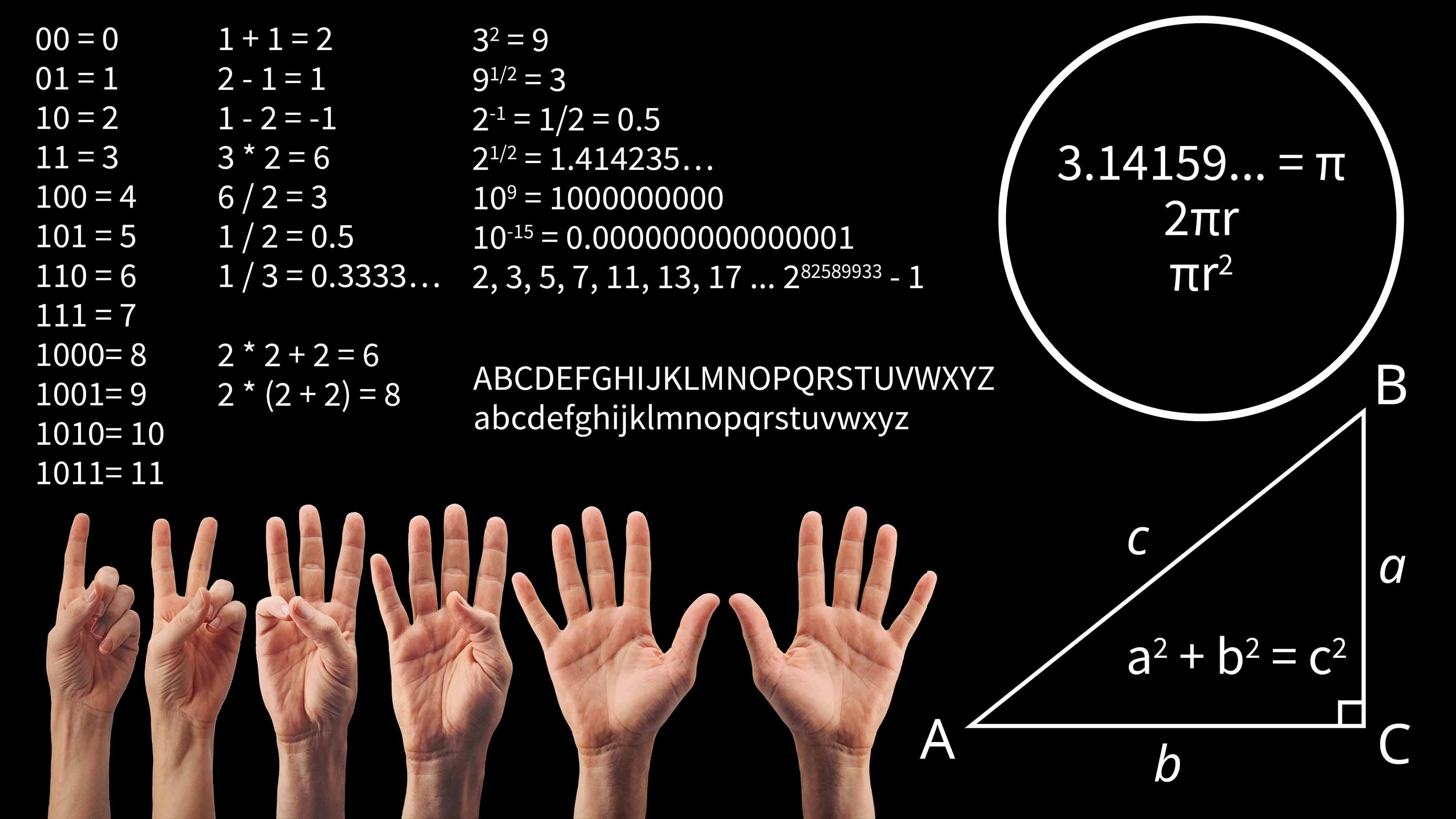
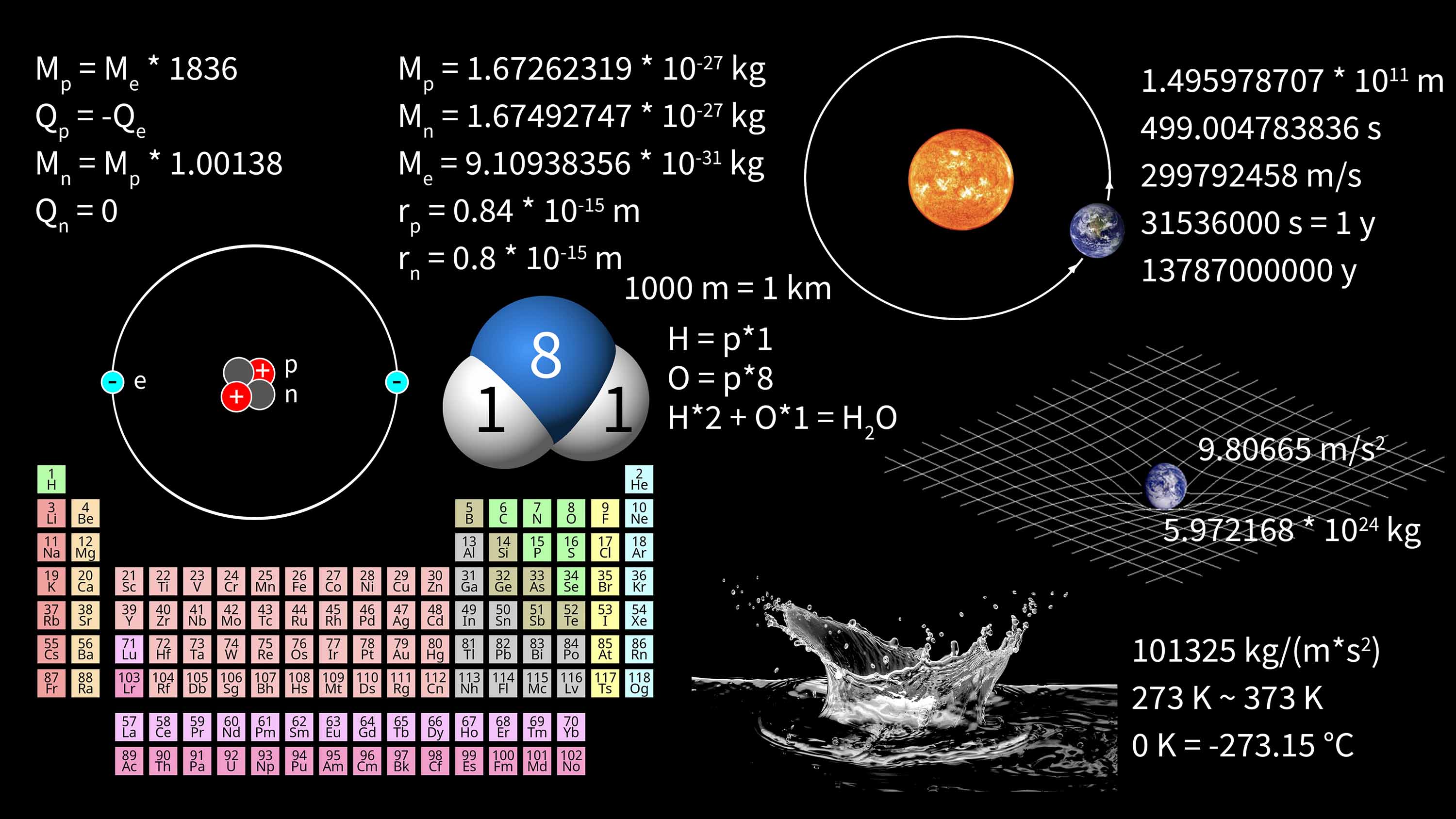
[Figure 21] Methods of Representing Numbers and Definitions of Physical Units
Methods of representing numbers — decimal notation, arithmetic operations, exponents, and fractions — are presented, along with definitions of units for basic physical quantities like mass, length, time, and temperature.
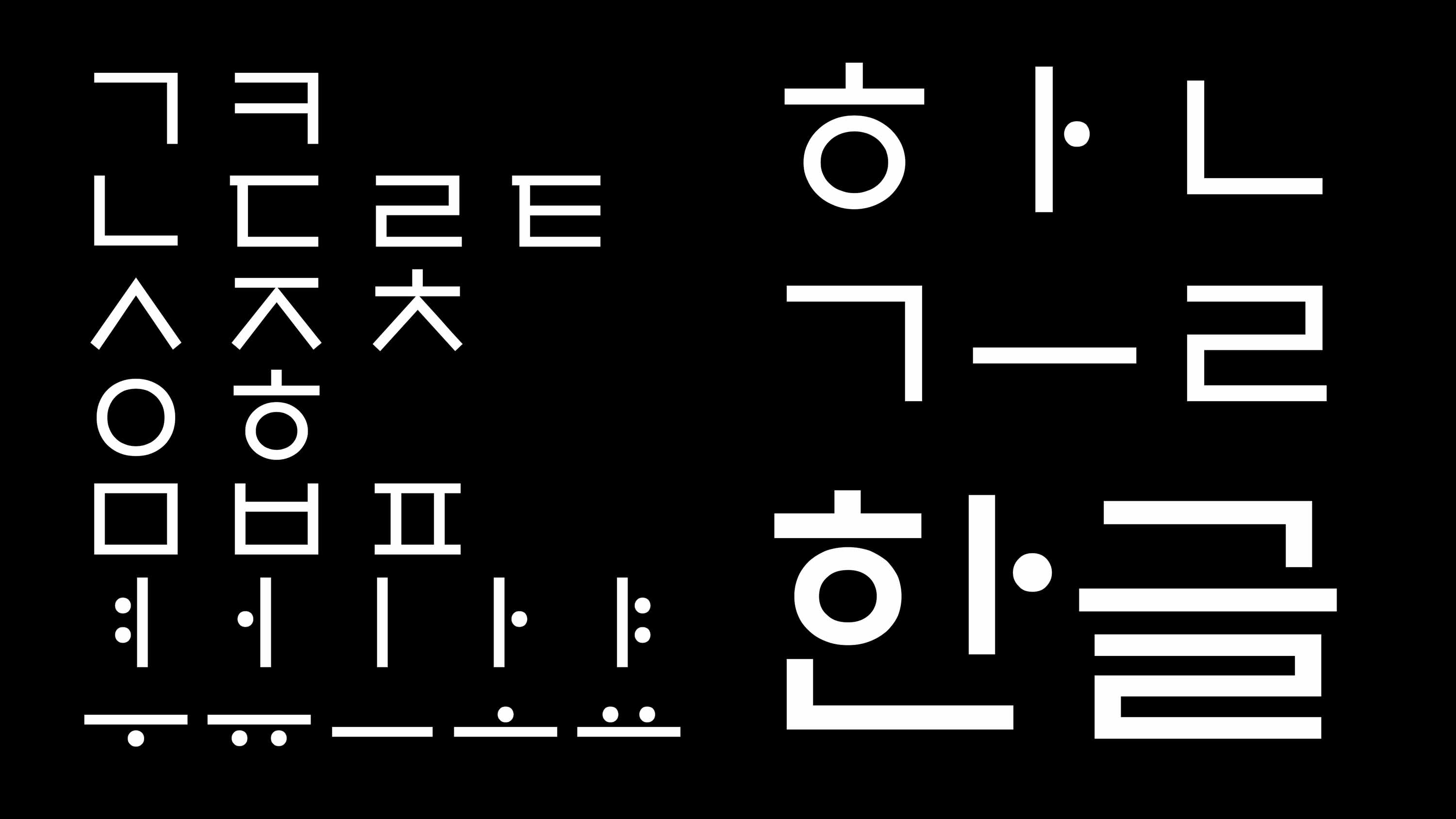
[Figure 22] The Consonants, Vowels, and Syllabic Block Writing of Hangeul
Hangeul forms individual characters by combining consonants and vowels.
② Second Section: Nouns
The second section of Transmission Hangeul explains the meanings of Korean nouns. These nouns are organized in a sequence, beginning with universal concepts that extraterrestrial intelligence and humans are likely to share, such as "universe", and gradually moving toward uniquely human concepts, such as "love." Words are paired with images to help extraterrestrial intelligence understand their meanings, resembling the way explaining words to children through pictures.
Additionally, Transmission Hangeul presents all vocabulary and sentences in both Korean and English. While English is currently the most widely used language on Earth, Korean is a minority language primarily spoken in Korea. These two languages differ significantly in form, pronunciation, and grammar. By presenting them together, Transmission Hangeul aims to convey to extraterrestrial intelligence that Earth is home to at least two distinct languages.
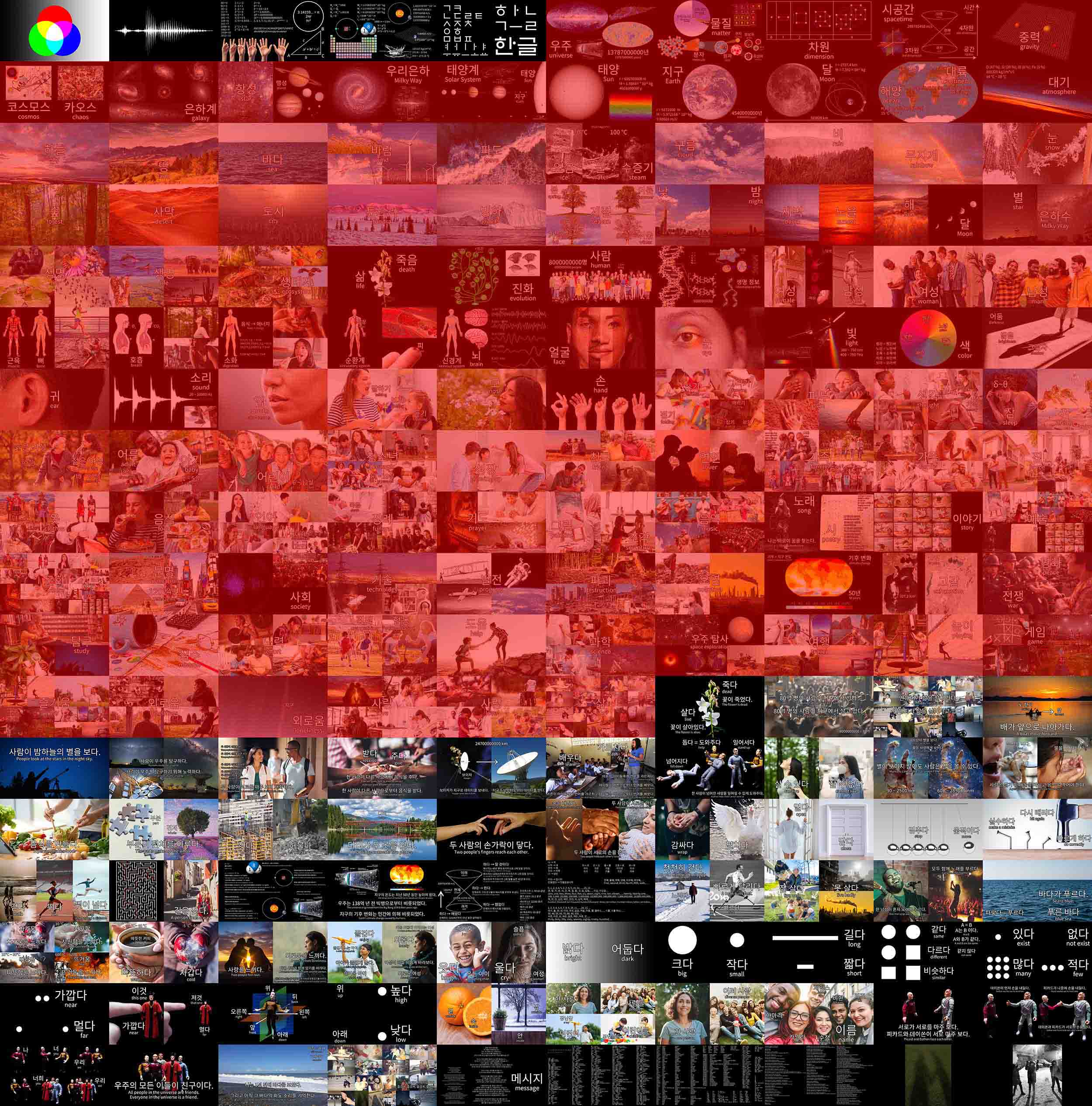
[Figure 23] The Second Section of Transmission Hangeul
The second section of Transmission Hangeul contains information about Korean noun vocabulary.
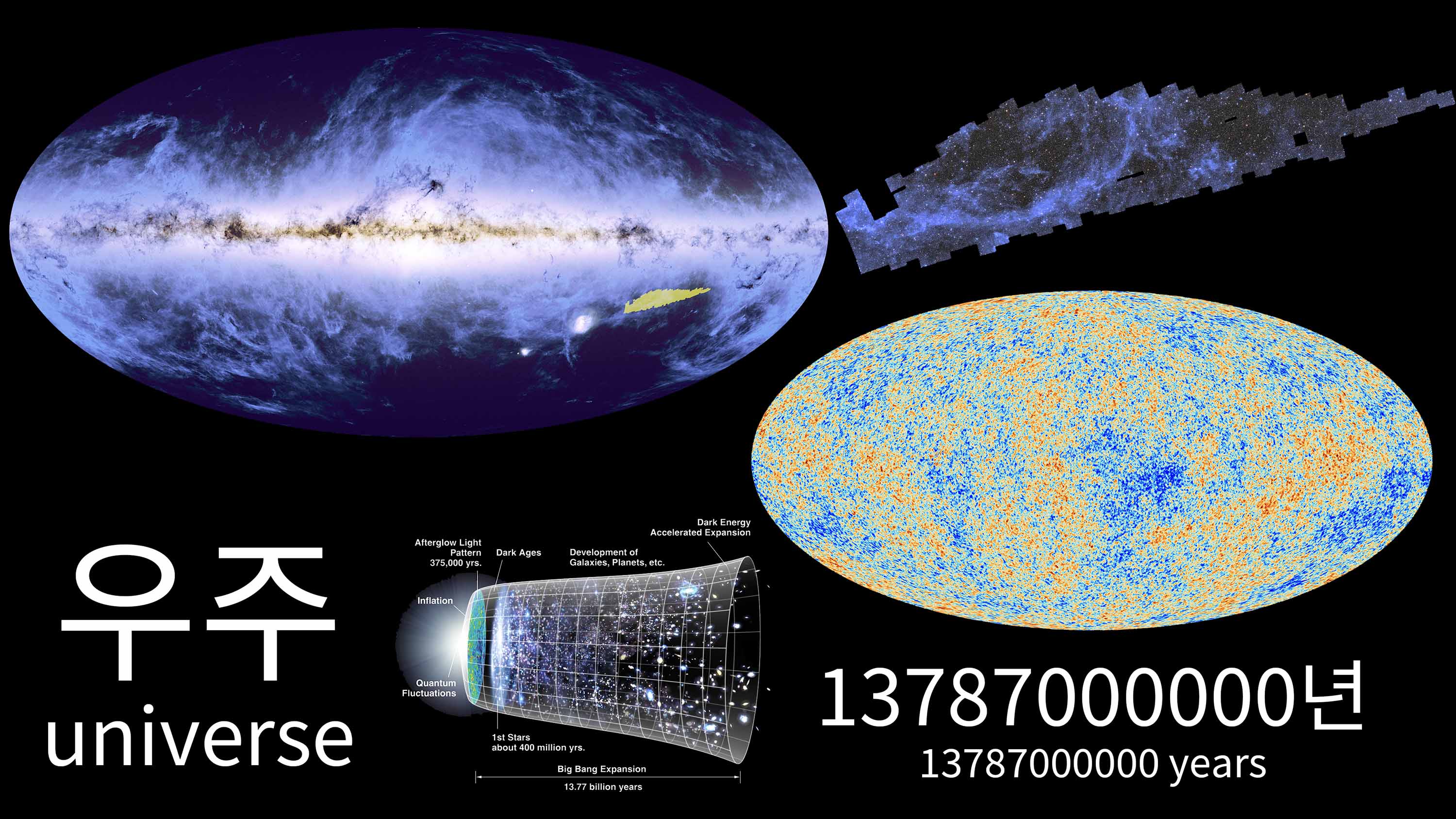
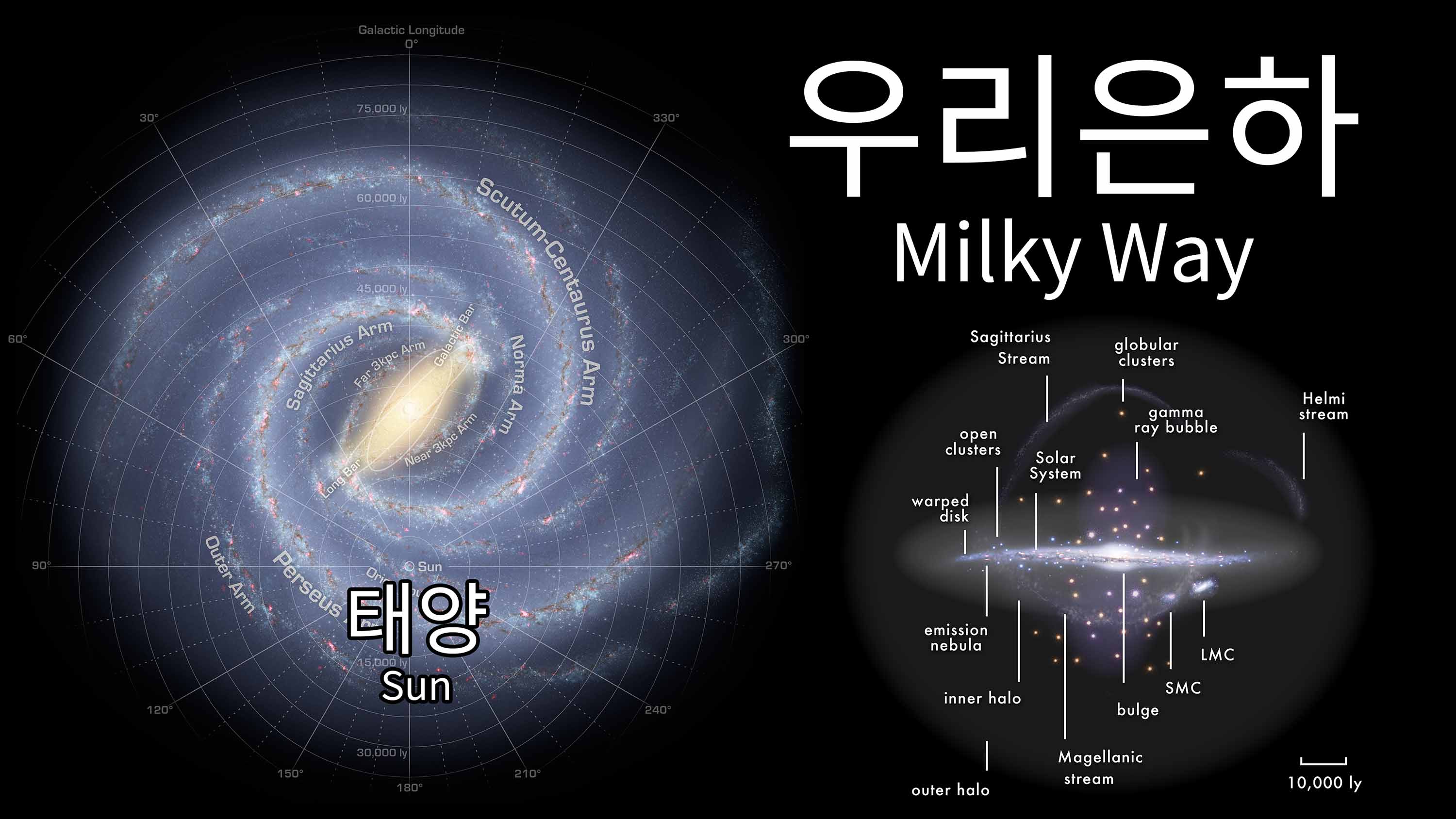
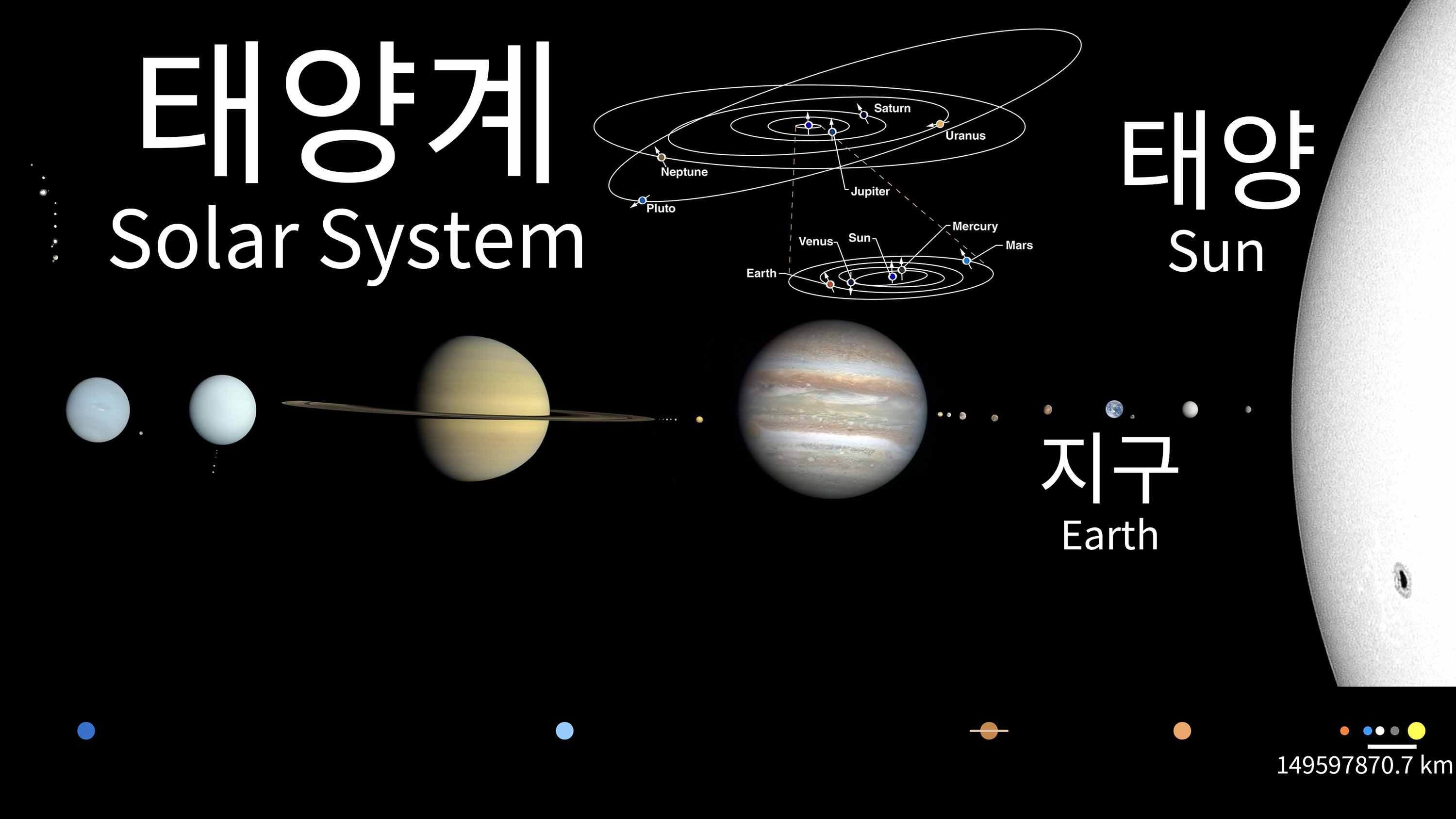
[Figure 24] Definition of the Observable Universe and the Position of the Solar System and Earth
This section explains the meaning of the word "universe" through images representing modern cosmology, such as the Big Bang, cosmic expansion, and cosmic microwave background radiation, as well as the current map of the universe observed by humanity. It also informs extraterrestrial intelligence about the position of the solar system and Earth.
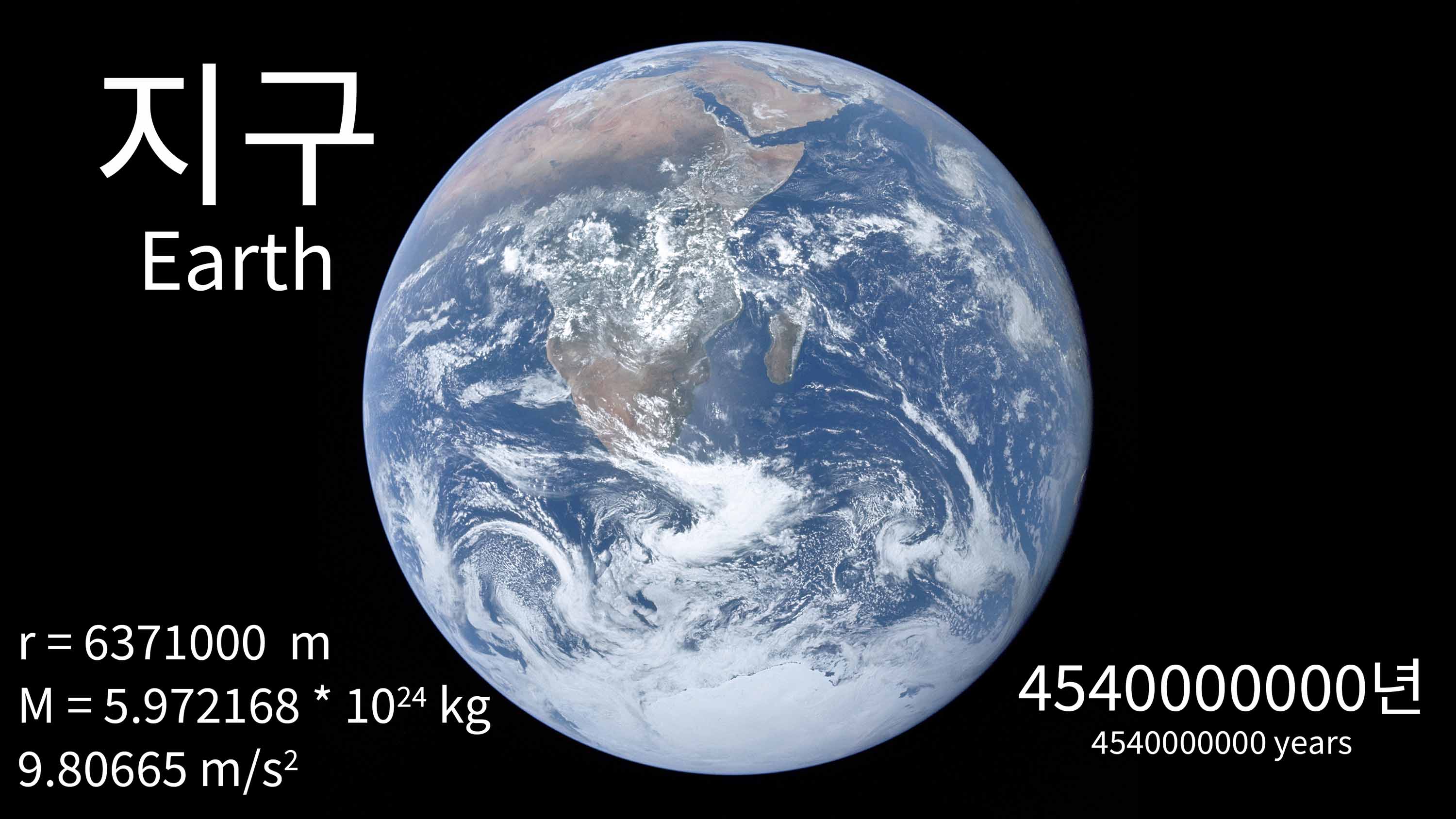
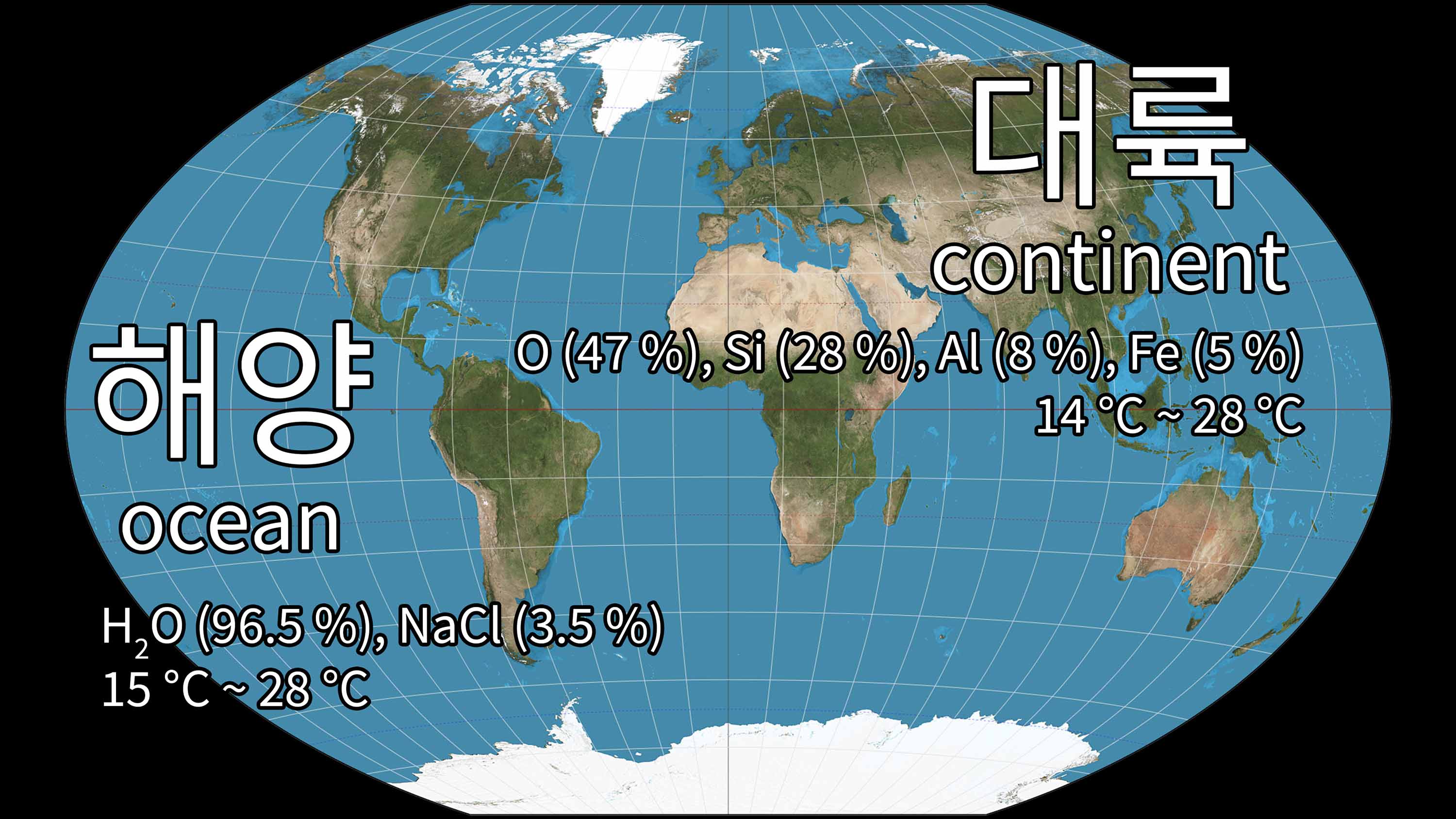
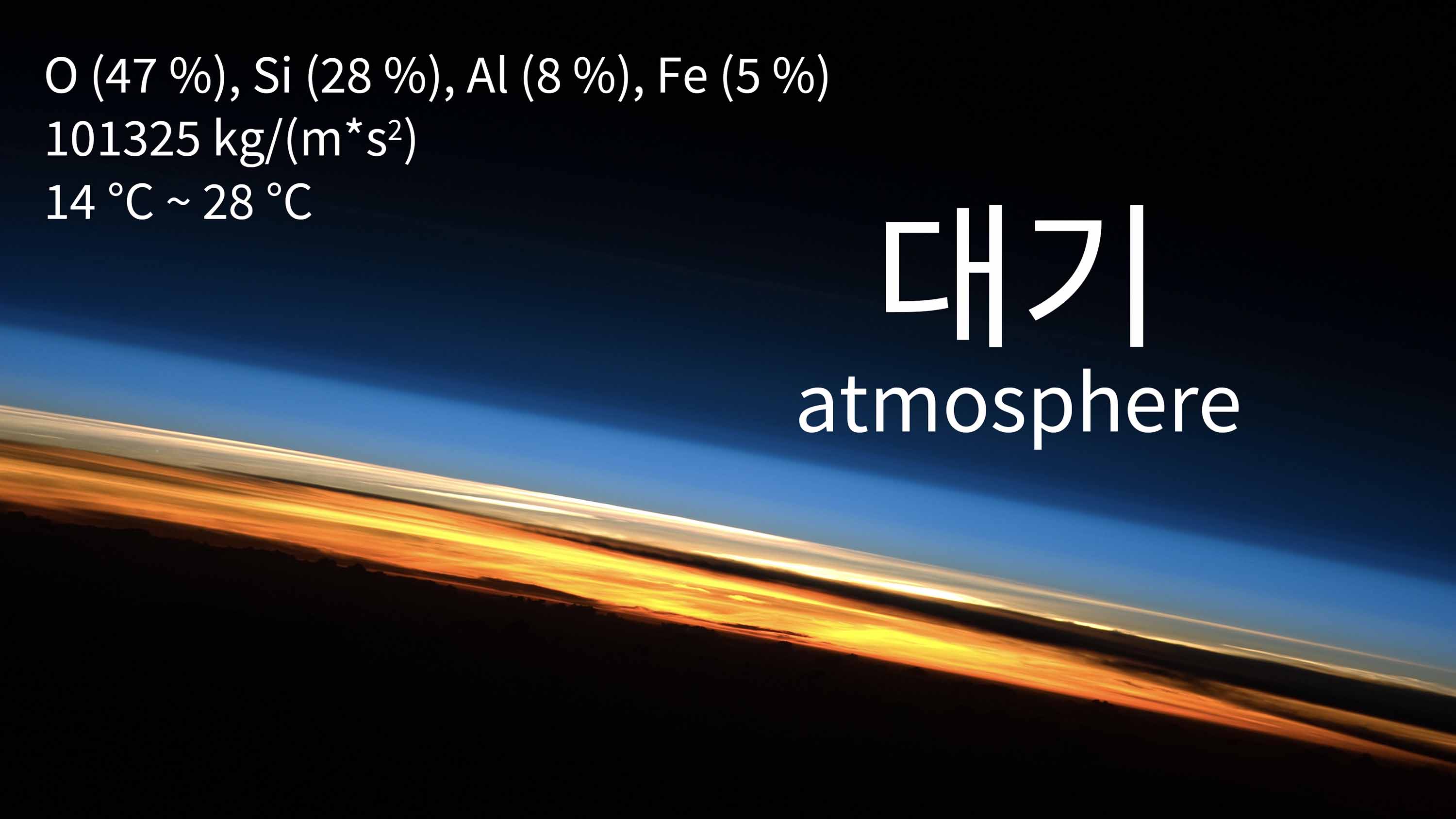



[Figure 25] Physical Characteristics and Natural Environment of Earth
Earth is a beautiful planet where the sky, land, and sea harmoniously come together.



[Figure 26] Diverse Lifeforms on Earth and the Cycling Ecosystem
The diverse lifeforms on Earth coexist and live together in ecosystem.

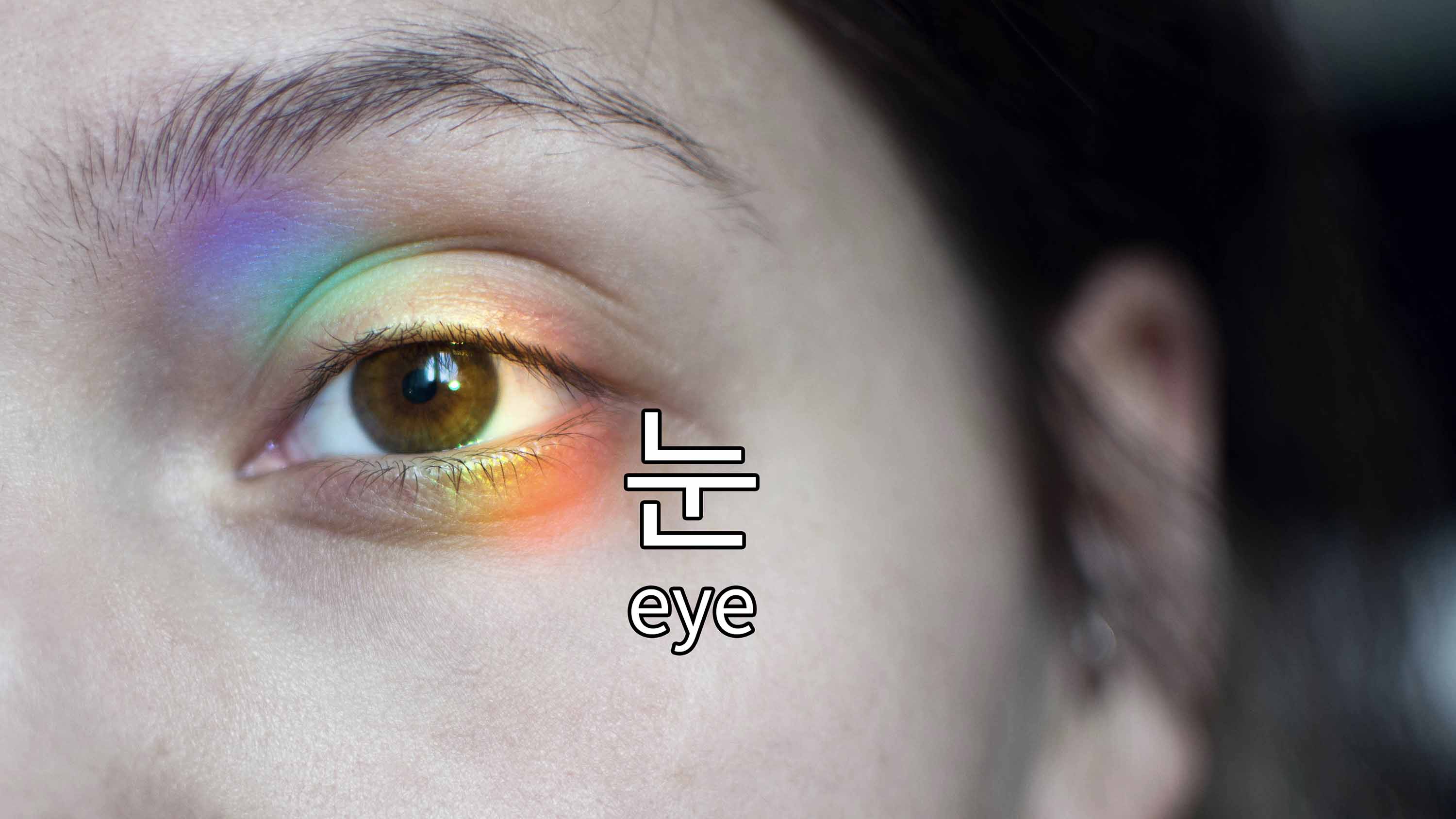
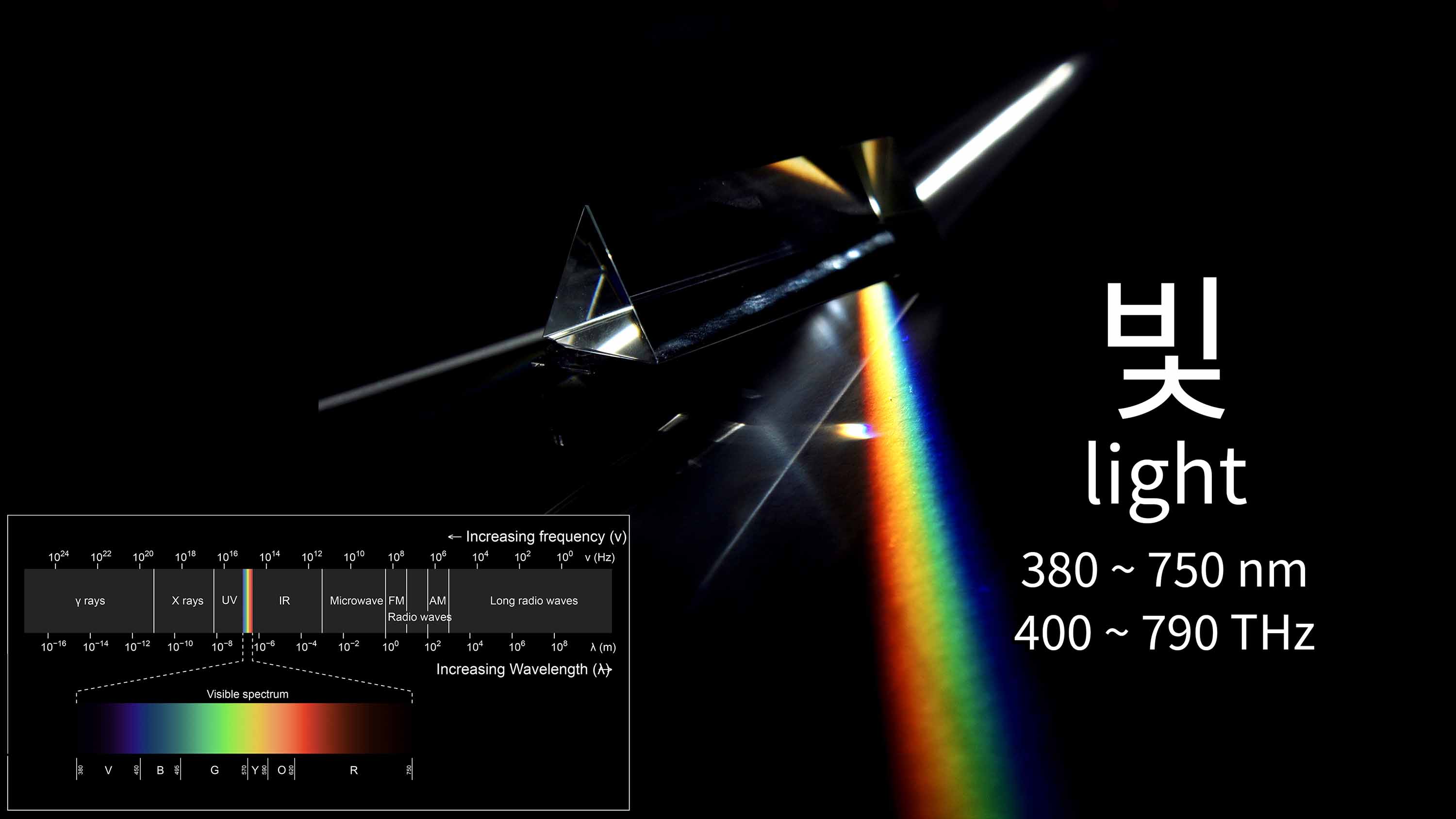

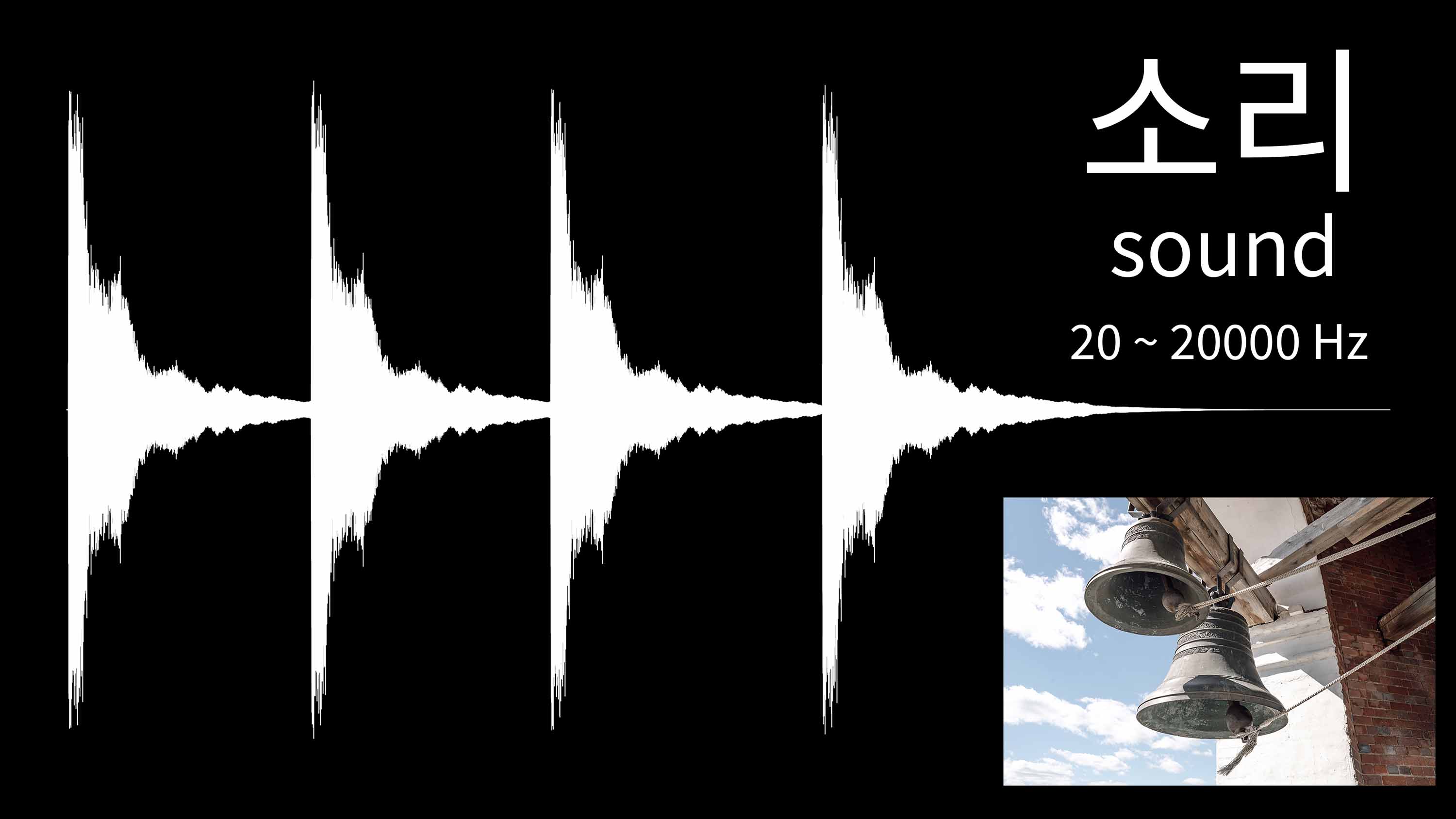

[Figure 27] Diversity of Humans and Human Communication Using Visual and Auditory Senses
There are various appearances of humans on Earth, and they primarily communicate using visual and auditory senses.





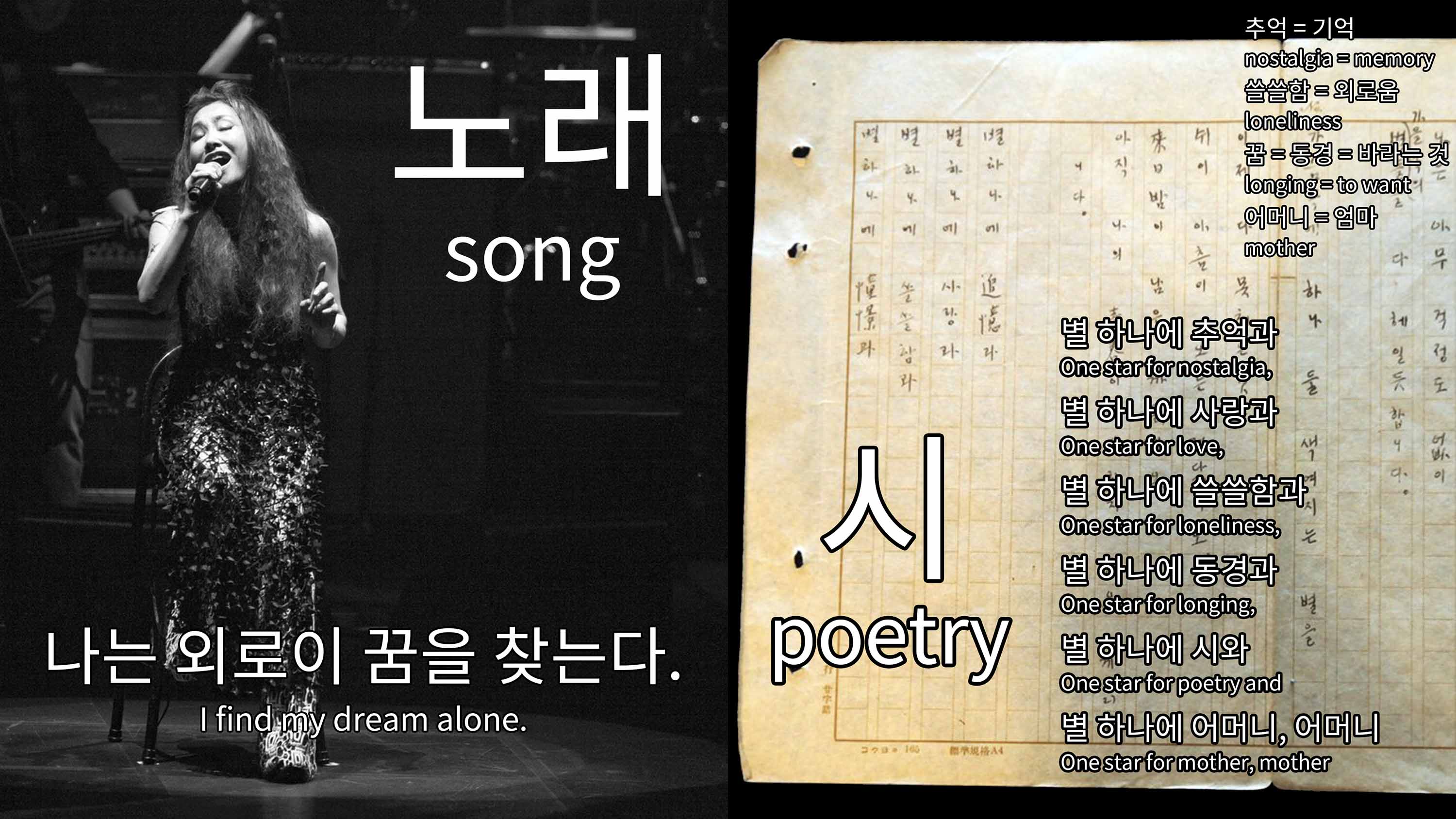
[Figure 28] Diverse Human Cultures and Arts
A rich variety of clothing and food, religious practices, and the creation of works of art such as painting and music demonstrate the diversity of human culture.
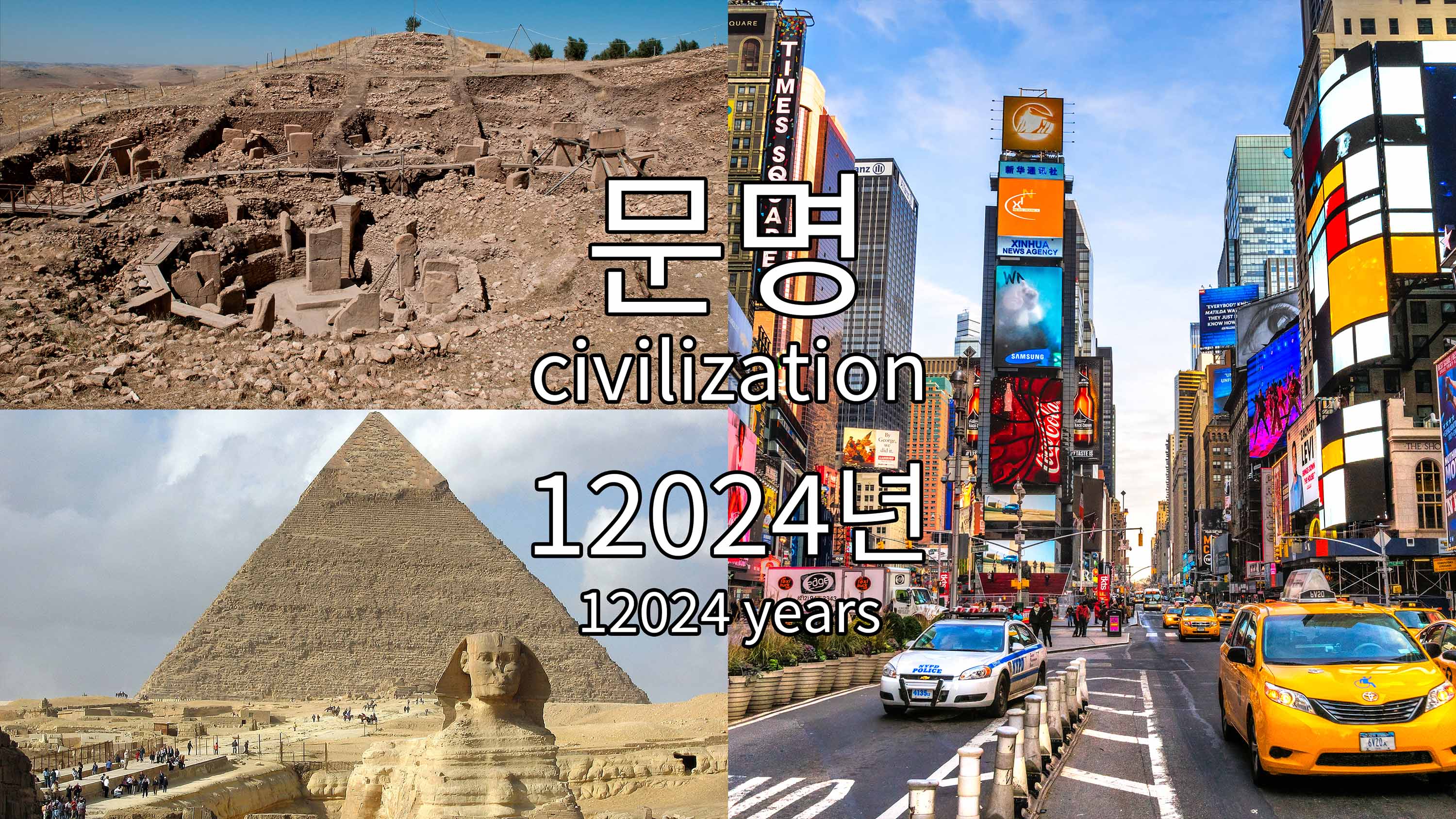




[Figure 29] The Bright and Dark Sides of Human Civilization
Human civilization has achieved remarkable progress in a short period, but at the same time, it still holds the potential for self-destruction.




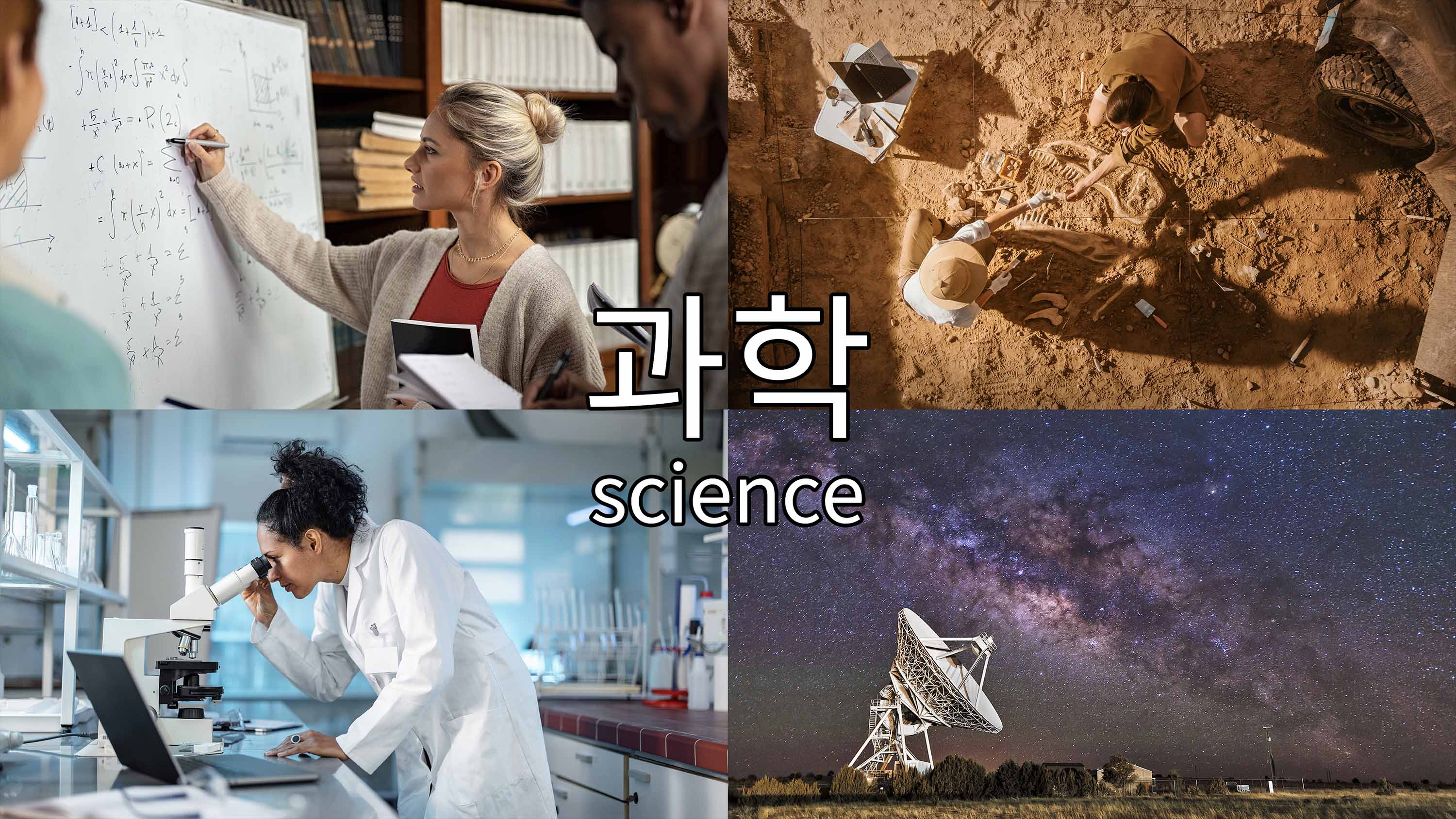
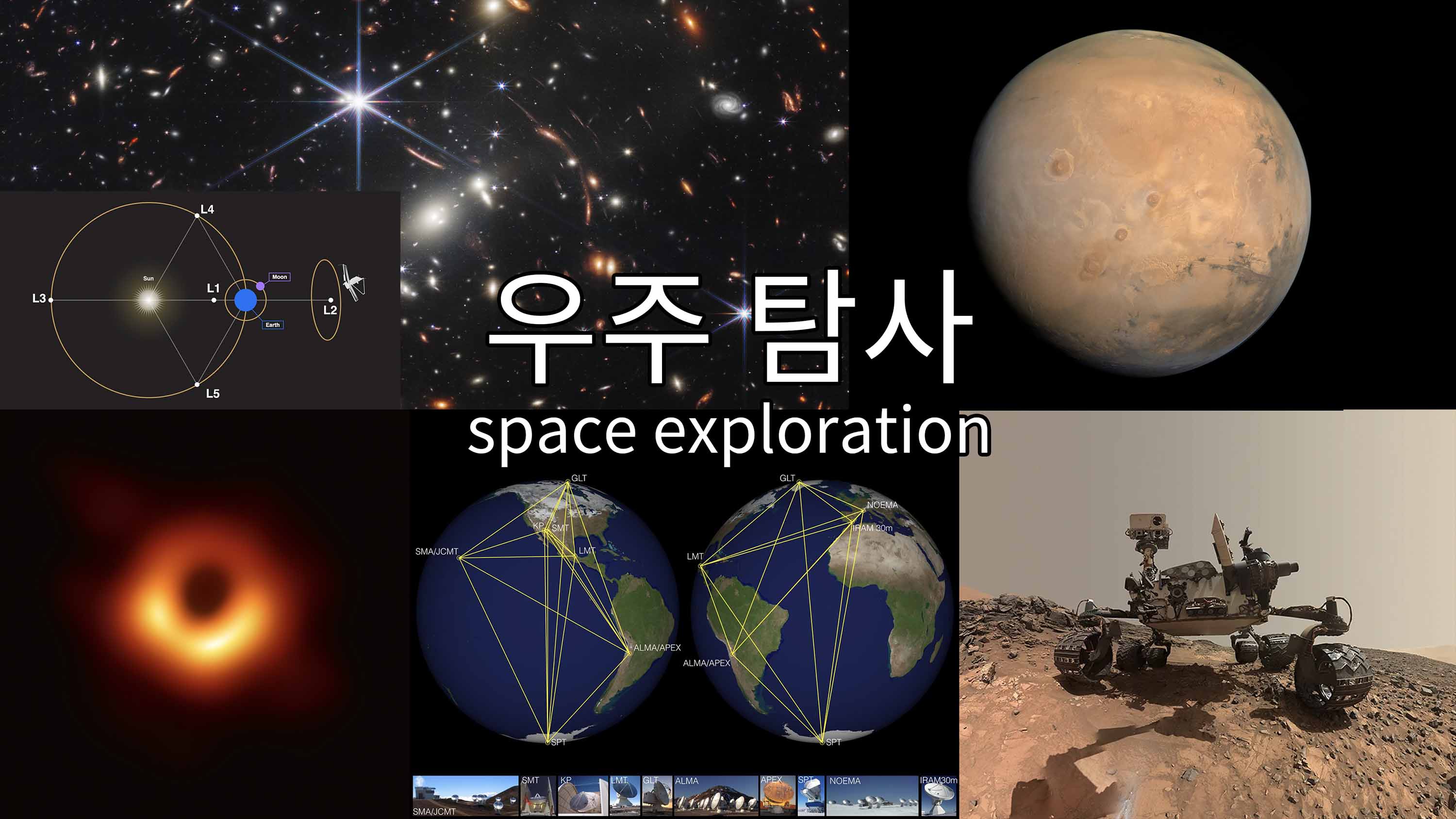
[Figure 30] The Strengths of Humanity
The pursuit of knowledge, the continuous effort to overcome limitations, and the ability to help and cooperate with one another are strengths inherent to humanity. Based on these qualities, humanity engages in scientific research and explores the universe.

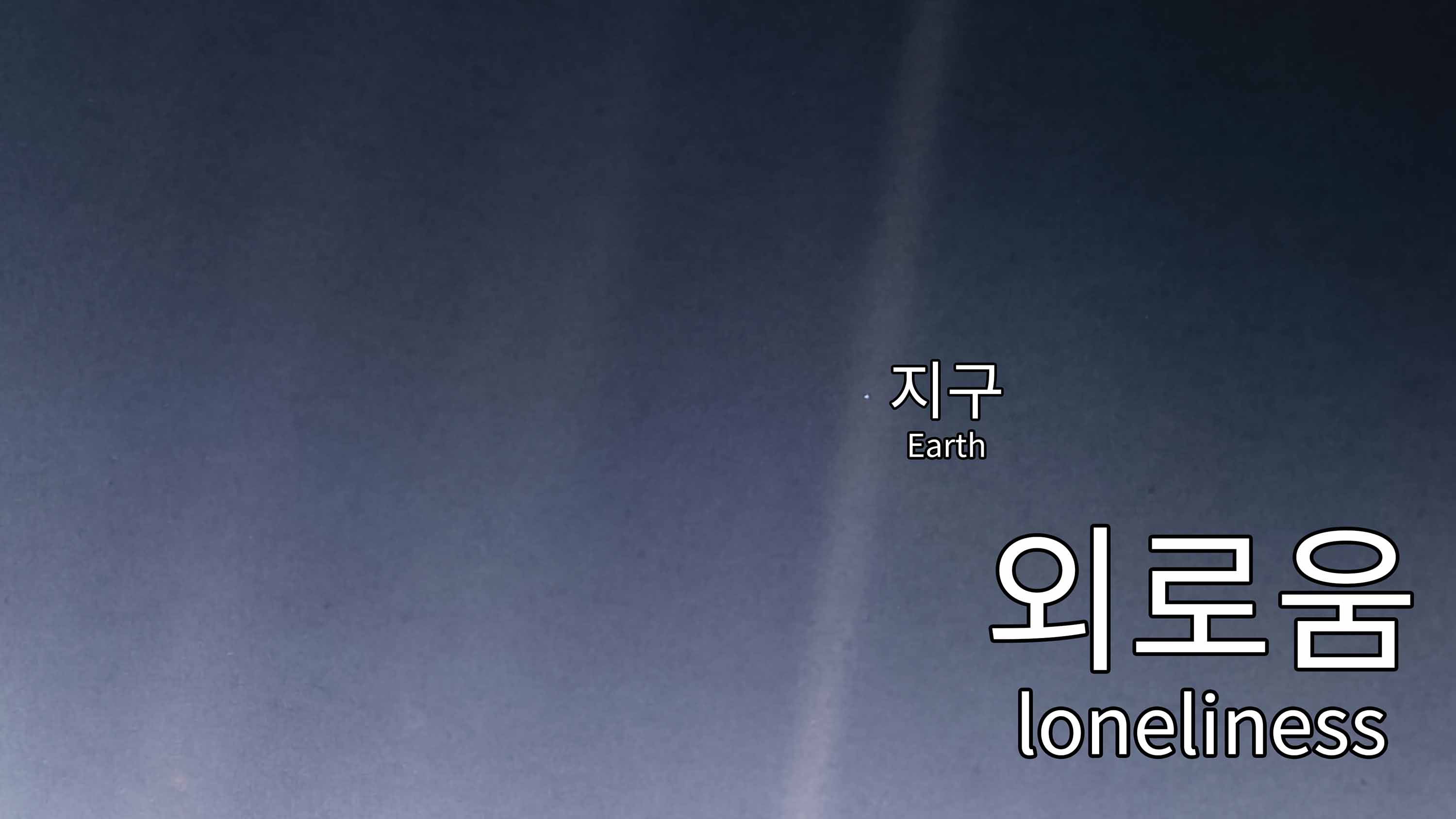
[Figure 31] Human Emotion: Loneliness
Carl Sagan, through the phrase "Pale Blue Dot," extended the human emotion of loneliness to all life in the universe.


[Figure 32] Human Emotion: Love
Love is one of the deepest and most universal of human emotions. Its most basic form arises from deeply intimate relationships, such as those between lovers and family members. Yet love is not an emotion found only within these relationships. Altruistic acts, such as caring for others and devoting oneself to the community, can also spring from love. In this way, love extends from intimate relationships to the wider community, forming an essential part of the foundation of humanity.

[Figure 33] Human Life
Humans are born, grow, age, and eventually meet death. This cycle of life may be one form of universal experience that humans and extraterrestrial intelligence can share as finite beings living in the universe.
③ Third Section: Verbs and Grammar
The third section of Transmission Hangeul explains the meanings of Korean verbs, as well as the method of combining words to form a sentence, Korean grammar.
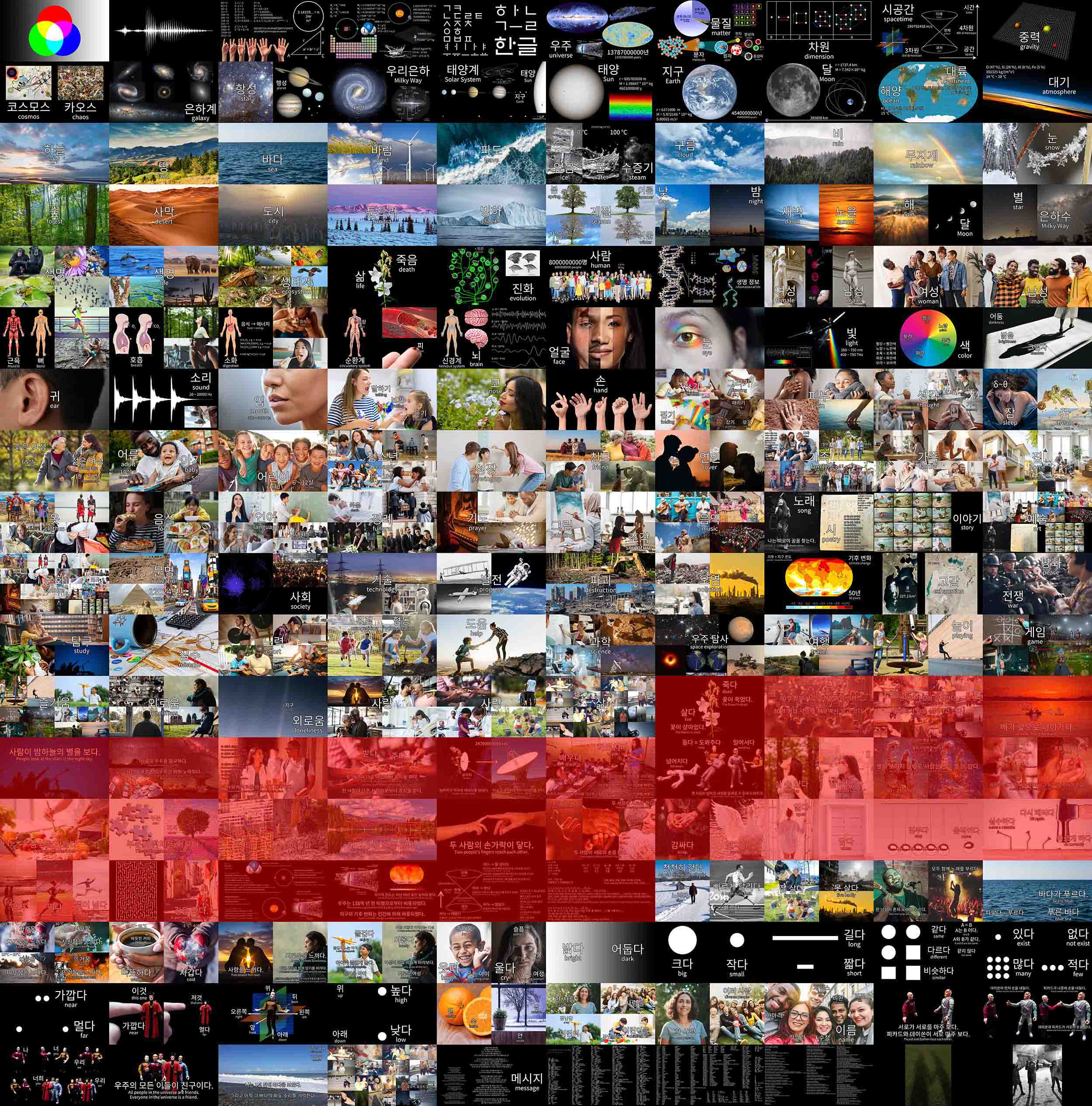
[Figure 34] The Third Section of Transmission Hangeul
The third section of Transmission Hangeul explains the meanings and verbs and Korean grammar to extraterrestrial intelligence.
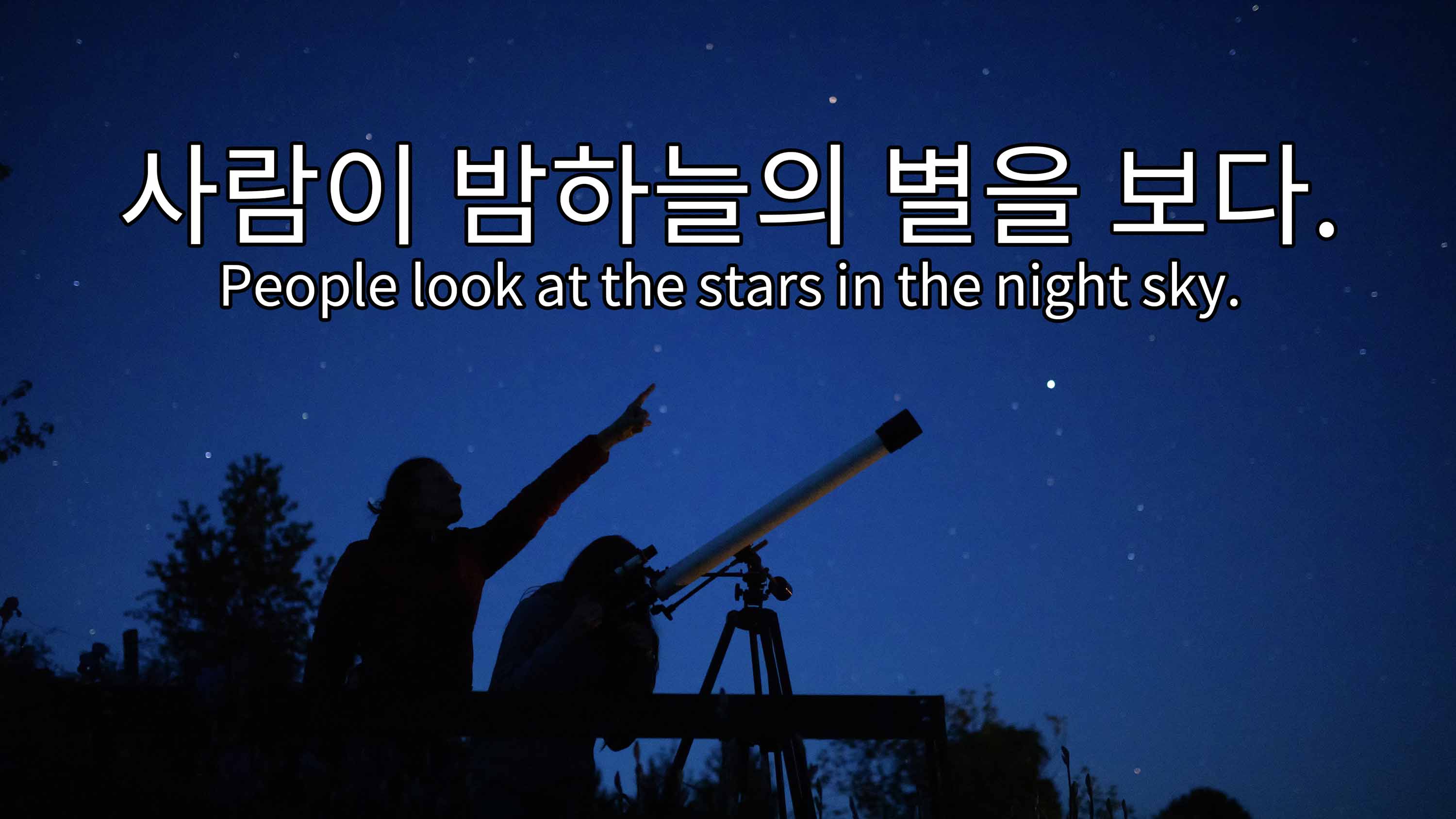
[Figure 35] 'Subject-Verb-Object' Structure Sentence
A simple subject-verb-object sentence is formed by combining words such as person, night, sky, star, and look into "People look at the stars in the night sky."
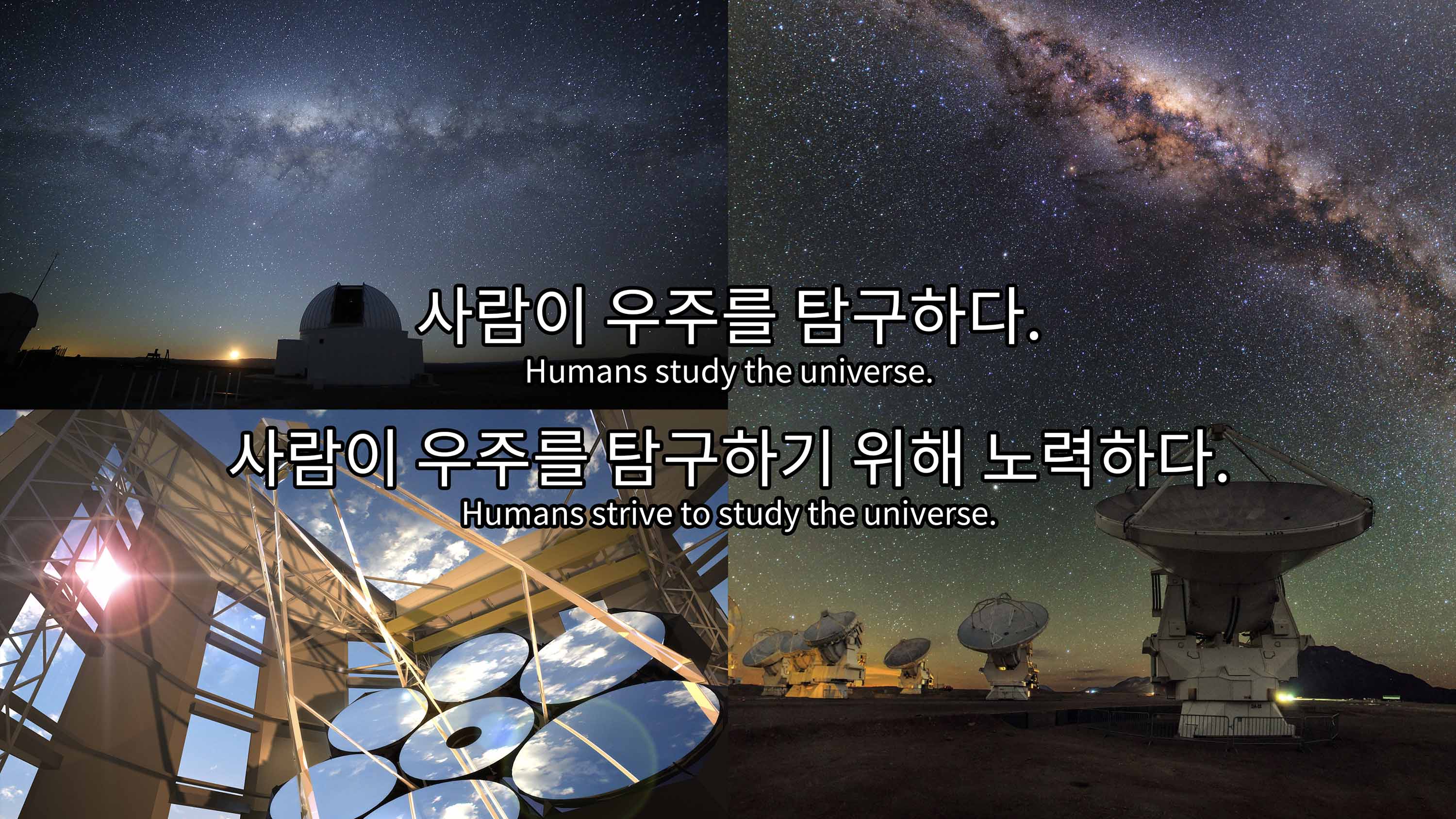

[Figure 36] Combining Simple Sentences to Form More Complex Sentences
Two simple sentences combine to form a more complex sentence.
5) From Earth, beyond the distance between the stars
The message that Transmission Hangeul aims to convey to the universe through our human language is as follows. All the information contained in the dictionary is structured to enable extraterrestrial intelligence to understand this message.
|
안녕, 우주의 친구들!
Hello, all friends in the universe! 제 이름은 언해피입니다. My name is Unhappy. 저는 지구에서 사는 사람입니다. I am a human living on Earth. 제가 이 메시지를 만들었습니다. I made this message. 그리고 저와 제 친구들이 당신에게 이 메시지를 보냅니다. And my friends and I sent it to you. 지구는 여러 생명이 함께 사는 푸른 행성입니다. Earth is a blue planet where diverse life lives together. 우리는 이 지구에서 여러 사회와 문화를 이루었습니다. We have made diverse societies and cultures on Earth. 그리고 발전된 기술도 만들었습니다. And we have also made progress in technology. 하지만 우리는 생태계를 파괴하고 서로 전쟁을 하는 실수도 했습니다. But we have made mistakes destroying ecosystems and waging war on each other. 미래로 나아가기 위해 우리는 우리의 실수를 멈춰야만 합니다. We must stop making our mistakes to move toward the future. 그리고 우리는 우주를 탐구합니다. And we study the universe. 이 우주에서 혼자인 우리는 외롭습니다. We are alone in this universe, so we feel loneliness. 우리의 미래를 만들기 위한 노력과, All our efforts to make our future, 우주를 탐구하기 위한 노력과, to study the universe, 당신에게 닿기 위해 이 메시지를 보내는 것과 같은, and to send this message to reach you 우리의 모든 노력은 사랑에서 비롯되었습니다. are from love. 사랑은 먼저 손을 내미는 것입니다. Love is reaching out a hand first. 사랑은 서로의 거리를 잇고 벽을 허무는 것입니다. Love is bridging distances and breaking walls. 사랑은 서로의 눈을 마주 보며 열린 귀로 듣는 것입니다. Love is looking into each other’s eyes and listening with open ears. 사랑은 빛이 보이지 않아도 천천히 앞으로 걸어가는 것입니다. Love is walking forward slowly, even if light can’t be seen. 사랑은 넘어져도 다시 일어서는 것입니다. Love is standing up again, even if falling down. 사랑은 차가운 빗속에서 서로를 감싸안는 것입니다. Love is embracing each other in the cold rain. 우리의 사랑이 당신에게도 닿을 수 있기를 바랍니다. I hope our love reaches you. 그날까지 우리와 당신 모두 이 우주에서 잘 살아가고 있기를 Until the day, I also hope we all live well in this universe. 별과 별 사이를 넘어 지구로부터 From Earth, beyond the distance between the stars |
[Text 2] The full text of the message Transmission Hangeul intends to convey to the universe.
This message states that humanity's efforts — building a better future, exploring the universe, and sending messages to the stars — all spring from love.
This message declares that humanity's efforts — building a better future, exploring the universe, and sending messages to the stars — all spring from love. Transmission Hangeul defines this love as the courage and the effort to understand one another and to overcome difficulties together.
Transmission Hangeul is a message of love extended from humanity — lonely and finite beings living on the 'pale blue dot' — to other beings somewhere in the universe who, like us, might be looking up at the night sky and wondering, "Are we the only ones in this universe?"
[Figure 39] All the information contained in Transmission Hangeul is structured to enable extraterrestrial intelligence to understand the message written in human language.
5. Transmission through laser
1) Transmission Date and Place
Transmission Hangeul was sent into space on November 16, 2024, from the Metaspace Observatory in Osong, South Korea. This date marks the 50th anniversary of the Arecibo Message, humanity's first interstellar message, transmitted on November 16, 1974.
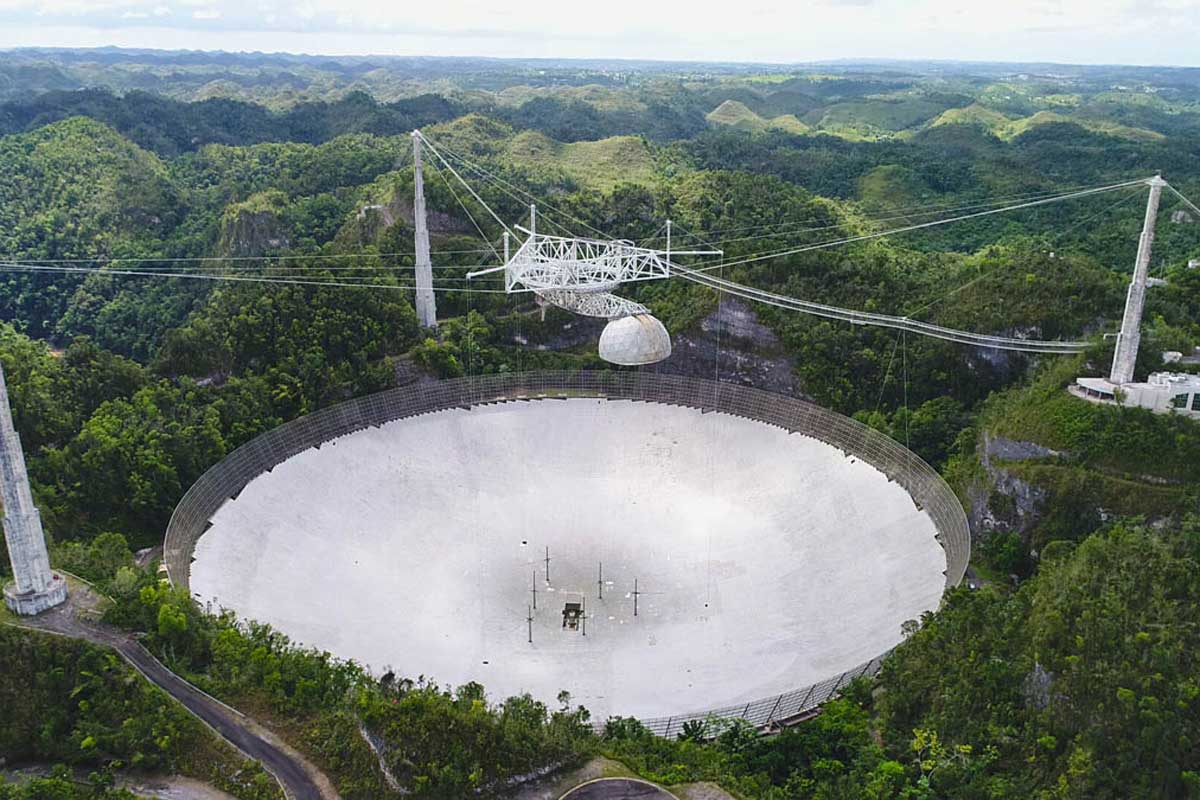
[Figure 40] On November 16, 1974, the Arecibo Message, the first modern interstellar message from humanity, was transmitted into space from the Arecibo Observatory in Puerto Rico. (Credit: University of Central Florida)
2) Data Encoding and Transmission Method
Transmission Hangeul was transmitted into space using an infrared laser with a wavelength of 1550 nm. The greatest advantage of lasers is that, compared with the radio waves that have traditionally been used for space communication, they can transmit far more data in the same amount of time. Lasers can also deliver a much stronger signal to the receiving point with the same output power. Because of these advantages, laser communication is attracting attention as a next-generation space communication technology.
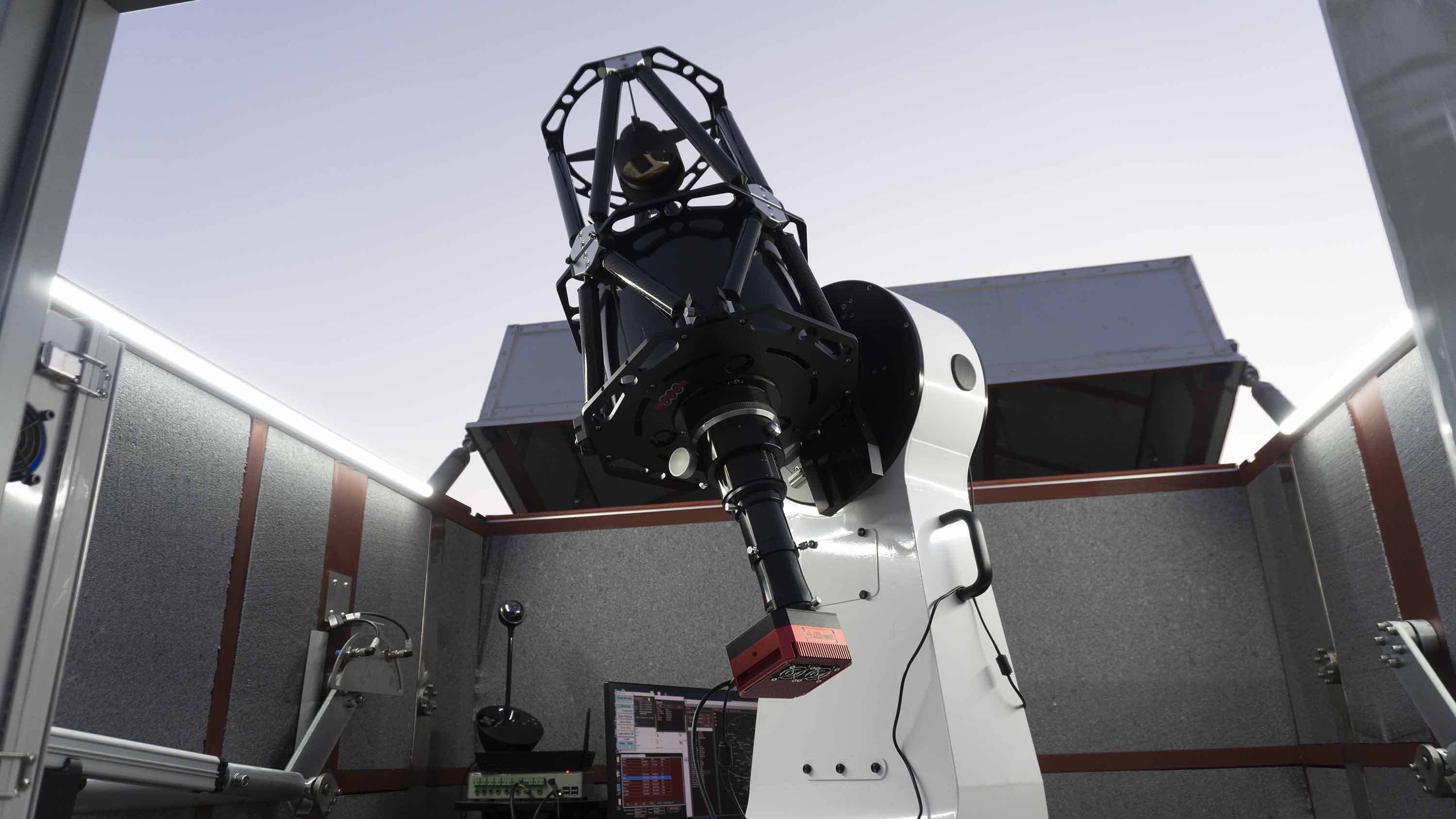
[Figure 41] Telescope with laser transmitter used to transmit Transmission Hangeul
Transmission Hangeul was sent using a 1550 nm infrared laser. Laser communication is being developed for next-generation deep space communication.
Transmission Hangeul, whose data consists of high-capacity digital images and audio, was encoded and transmitted using a method called TMDS (Transition Minimized Differential Signaling). TMDS is the encoding method used in HDMI, a technology familiar to us for connecting computers to monitors or projectors.
This method was devised to transmit large-capacity data, such as high-resolution video, in real time and without compression. It encodes data so as to minimize the number of transitions between 0 and 1 in the digital signal; this reduces the electromagnetic interference that arises during transmission and keeps the signal stable, giving it the advantage of being robust against errors even over long distances or in harsh environments.
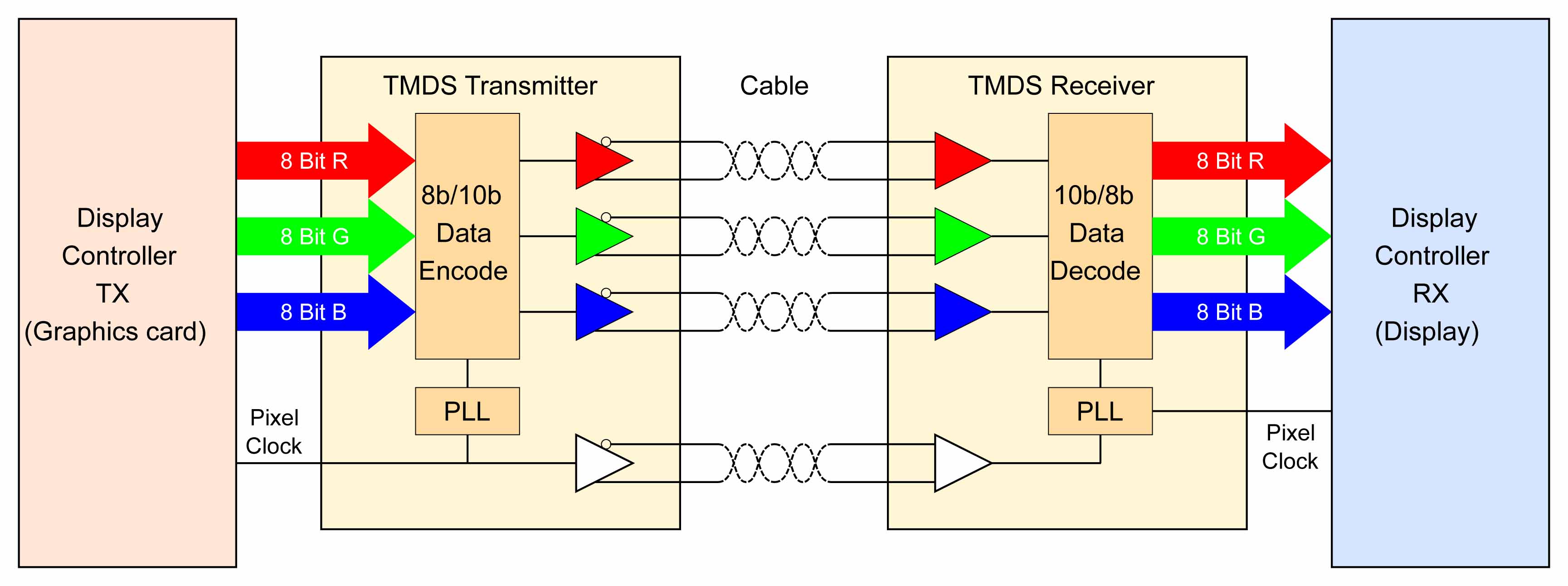
[Figure 42] Data Encoding Method of TMDS
The TMDS encoding method has the advantage of transmitting large amounts of data in real time without compression, while keeping the signal stable and resistant to errors.
(Credit: Wikipedia)
Technical Limitations of the First Transmission
Laser communication and TMDS are highly advanced data transceiving technologies, but when it comes to sending a message into deep space, they also present problems that need to be addressed. First, the short wavelength of laser light is easily scattered by clouds and the atmosphere at the Earth's surface, as well as by interstellar matter such as dust and gas. In addition, the high directionality that is one of the laser's strengths also poses the difficulty of having to aim precisely at a specific celestial body.
Moreover, because the TMDS encoding method is not only highly complex but also operates on rules agreed upon between sender and receiver, the likelihood that a being unfamiliar with this technology could decode such data is extremely low.
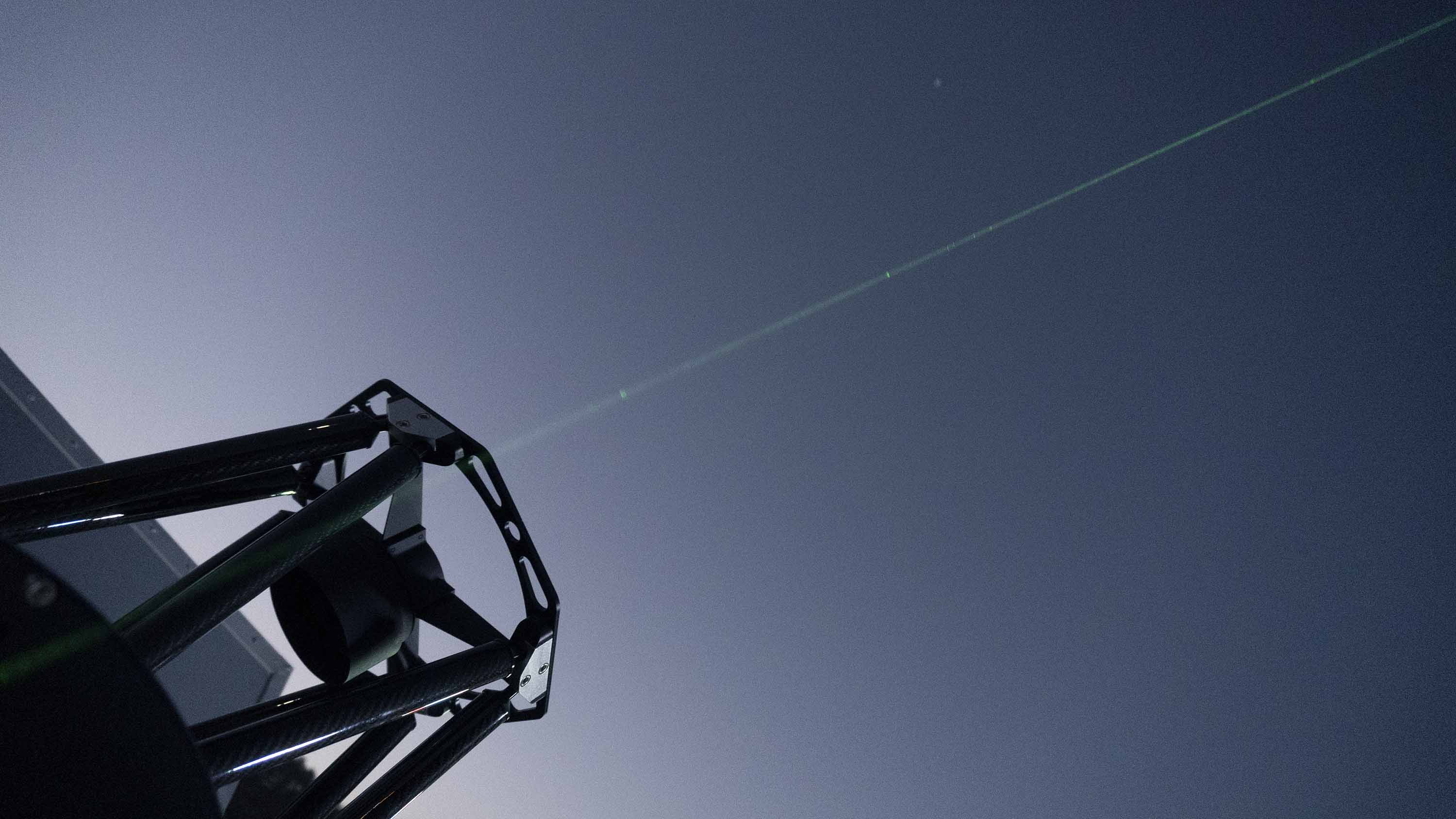
[Figure 43] Transmission Hangeul was sent using a 1550 nm infrared laser, which is invisible to the human eye. The green laser seen in the picture is a guide laser pointing toward the target celestial object.
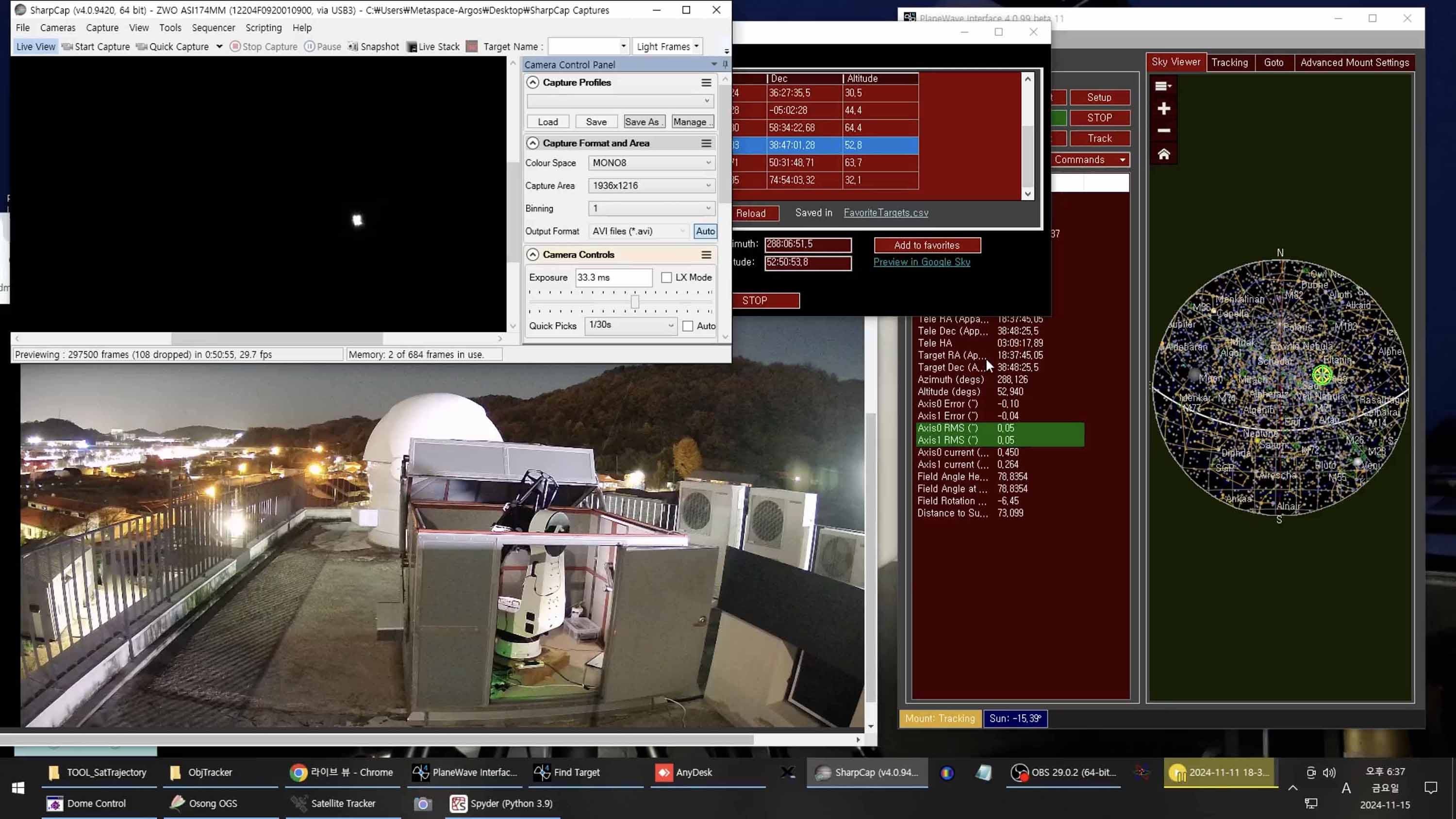
[Figure 44] The laser transmitter aimed at the star Vega, approximately 25 Light-Years from Earth.
3) Target Celestial Objects
Transmission Hangeul was transmitted towards six celestial objects that are observable from the transmission observatory, including exoplanets similar to the Earth and stars similar to the Sun. The list of selected celestial objects is as follows.
① The Stars Within 50 light-years That Have Earth-like Exoplanets
One of the main methods for finding extraterrestrial life is to look for Earth-like exoplanets. This is because, as far as we know, Earth is the only place in the universe where life and civilization exist. Of course, we cannot assume that life could exist only in environments like that of Earth. Nevertheless, since we have no choice but to rely on the only known example, Transmission Hangeul first selected two stars with exoplanets in this habitable zone, as follows.
TRAPPIST-1
TRAPPIST-1 is a much smaller and dimmer red dwarf star located about 40 light-years away from Earth. Seven Earth-like planets orbit TRAPPIST-1, and at least three of them are situated within the habitable zone, where conditions may be suitable for life. Research on the potential presence of water, atmosphere, and life on these planets is expected to continue actively in the future.
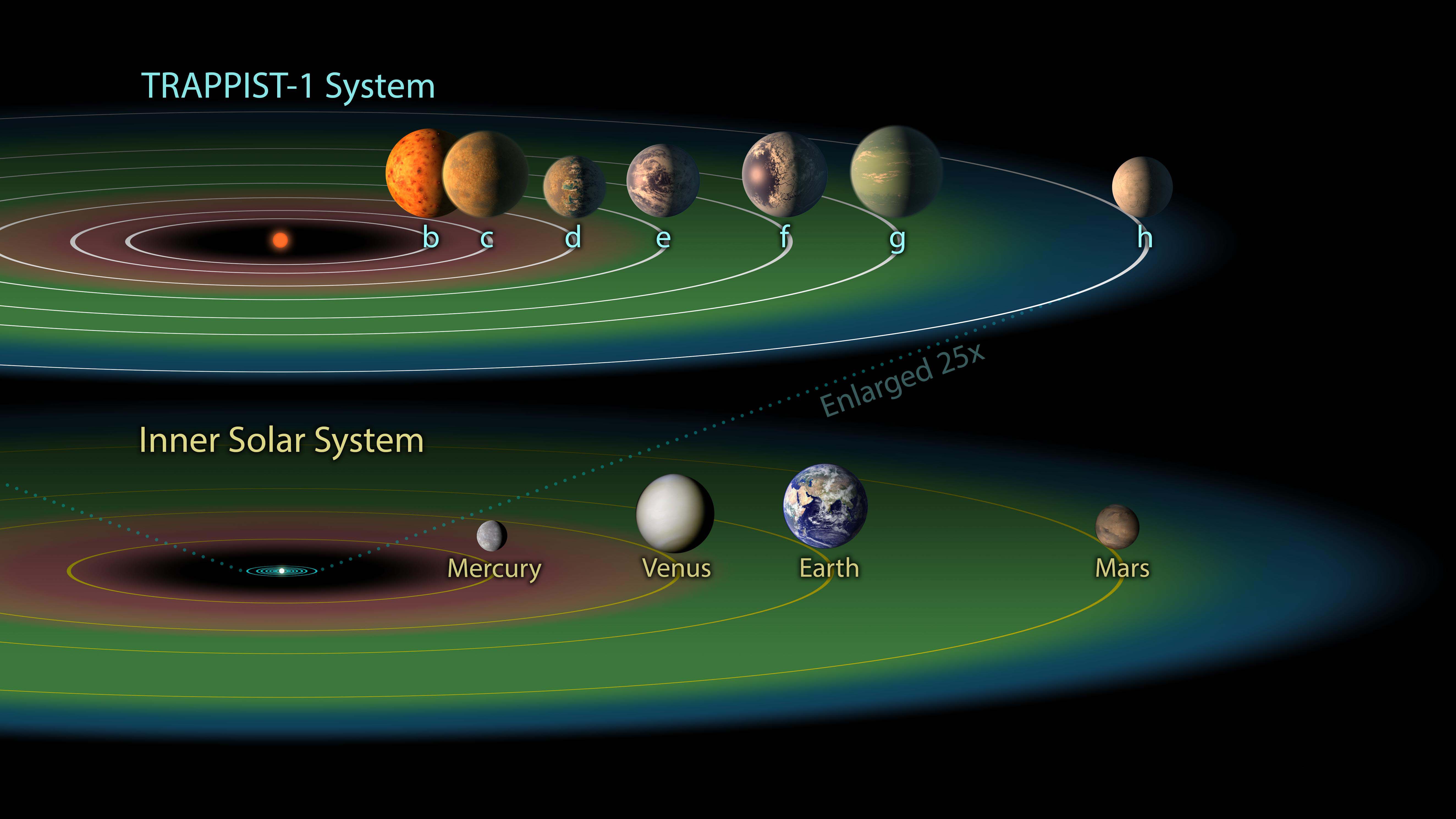
[Figure 45] Comparison of the Solar System and the TRAPPIST-1 system
Among the seven planets orbiting TRAPPIST-1, TRAPPIST-1 e, f, and g are located within the habitable zone.
(Credit: Wikipedia)
Wolf 1069
Wolf 1069 is a star located about 31 light-years away from Earth. It is similar in size to the Sun but is classified as a red dwarf. Additionally, the planet orbiting Wolf 1069, "Wolf 1069 b," is known to be similar in size to Earth and is located in the habitable zone.
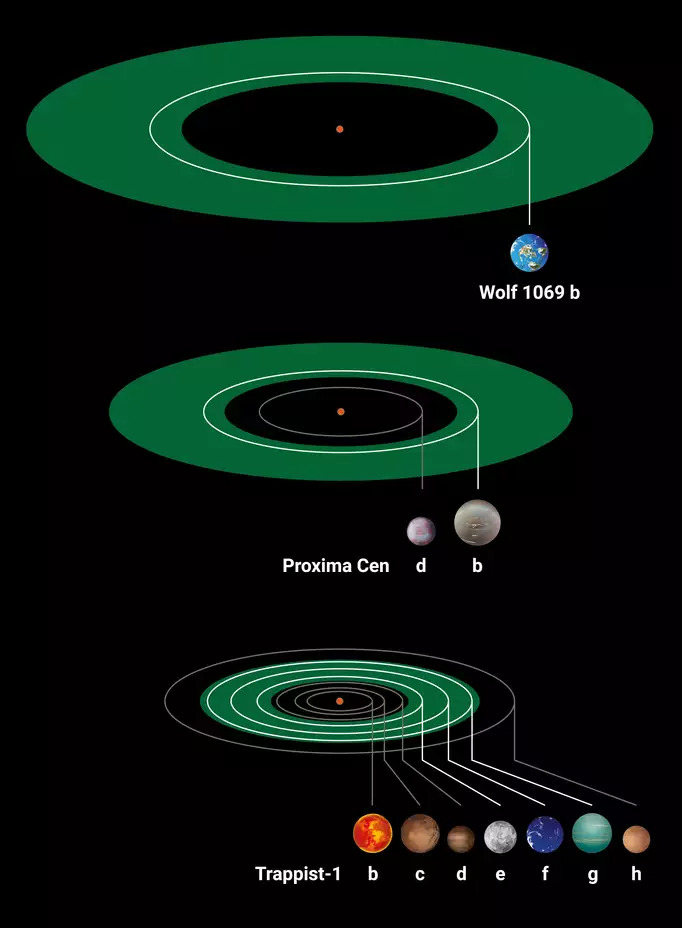
[Figure 46] Comparison of the Wolf 1069, Proxima Centauri, and TRAPPIST-1 systems
Wolf 1069 b, an Earth-sized planet, is located within the habitable zone.
(Credit: Max Planck Institute)
② 50th Anniversary of Arecibo Message
If it weren't for previous interstellar messages like Arecibo Message, Voyager Golden Record, and Teen-Age Message, as well as astronomers like Carl Sagan and Alexander Zaitsev, Transmission Hangeul would not exist. Therefore, on the 50th anniversary of the Arecibo Message, Transmission Hangeul has selected the following three celestial bodies to honor the pioneers of METI.
Messier 13 (M13, Hercules Globular Cluster)
Messier 13 is a globular cluster located about 22,000 light-years from Earth, consisting of approximately 300,000 stars packed closely together. It was also the target location for the transmission of the Arecibo Message in 1974.
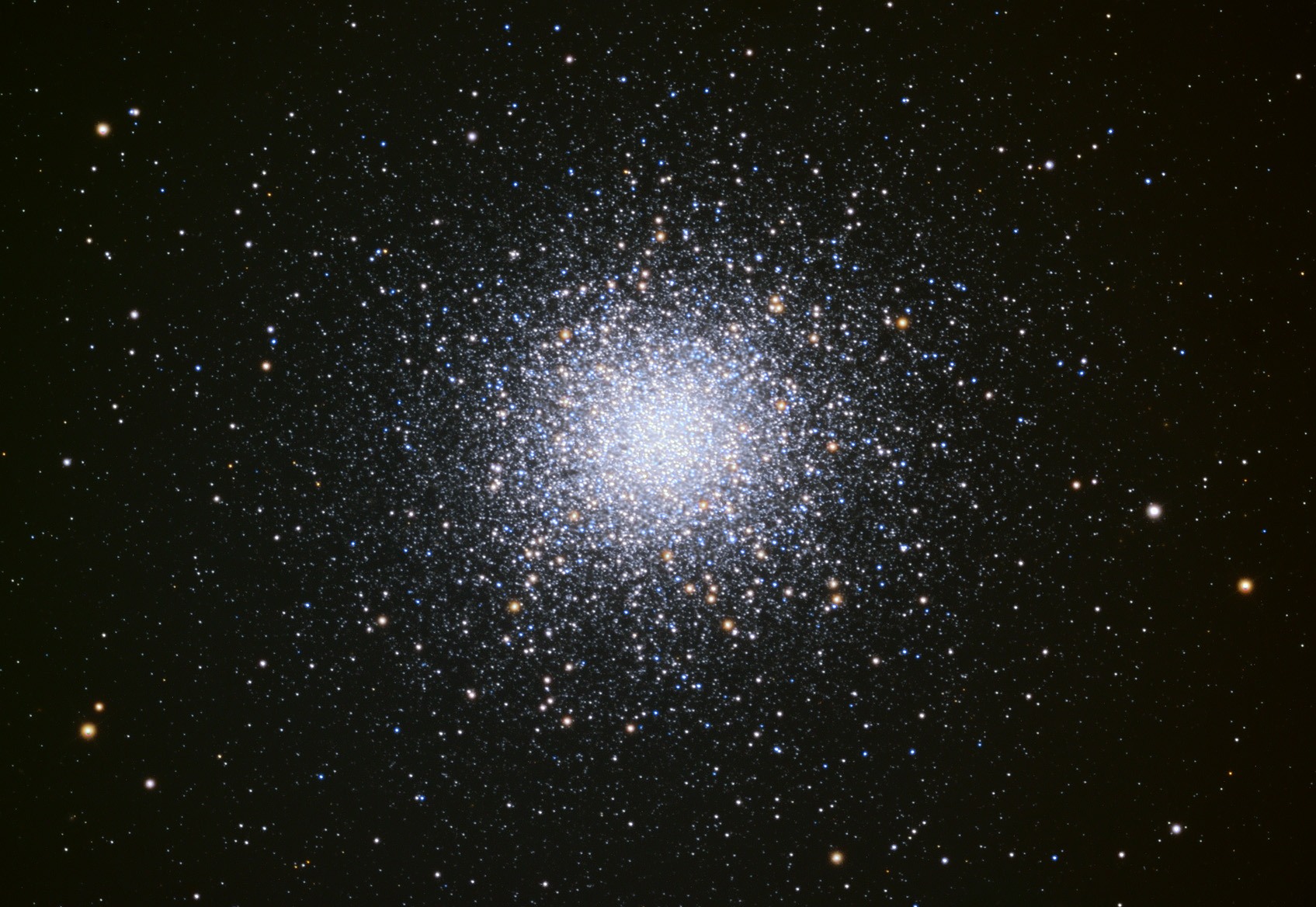
[Figure 47] Messier 13, consisting of approximately 300,000 stars
In 1974, Arecibo Message was transmitted towards Messier 13.
(Credit: Wikipedia)
Vega (α Lyrae)
Vega is a hot and bright blue-white main-sequence star located about 25 light-years from Earth in the Lyra constellation. It is one of the brightest stars in Earth's night sky. Additionally, there is a dust disk around Vega, which is being studied as a potential condition for planet formation.
Above all, Vega is familiar to us as the star from which the alien signal originates in Carl Sagan's novel Contact and its film adaptation. In the novel, Sagan writes, "For small creatures such as we, the vastness is bearable only through love." (In the film, this was adapted into the line: ‘The only thing we've found that makes the emptiness bearable is each other.’)
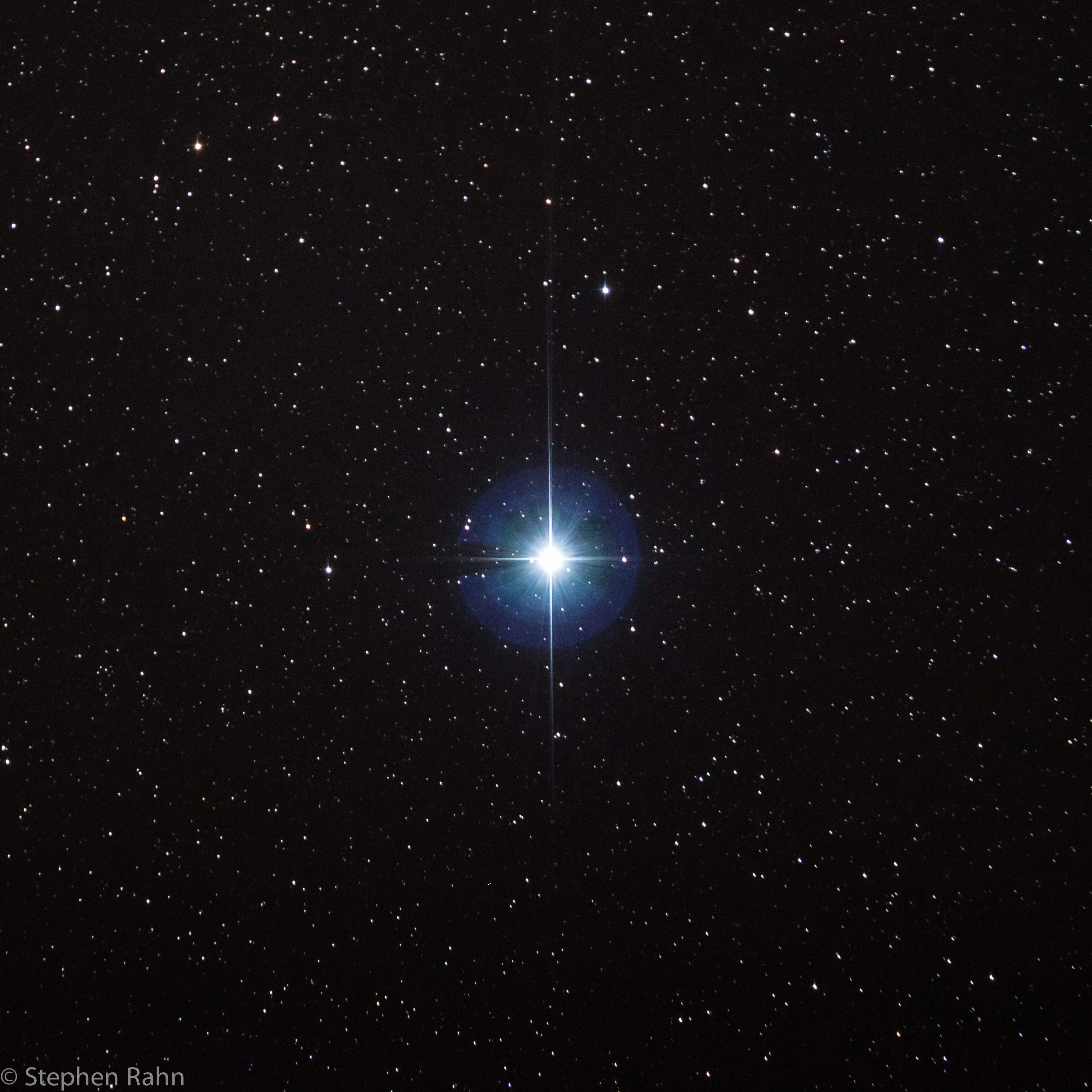
[Figure 48] Vega, a blue-white main-sequence star located about 25 light-years from Earth
Vega is the star of extraterrestrial intelligence featured in Carl Sagan's novel and its film adaptation, Contact.
(Credit: Wikipedia)

[Figure 49] The extraterrestrial intelligence in the movie Contact tells, ‘The only thing that makes the emptiness bearable is each other.' (Credit: IMDB)
16 Cygni
16 Cygnus is a triple star system located about 70 light-years from Earth, consisting of two sun-like stars (16 Cygni A, B) and one red dwarf (16 Cygni C). In 1999, the interstellar message Cosmic Call was transmitted in the direction of star A.
Alexander Zaitsev led both transmissions of Cosmic Call. More passionate than anyone about sending messages into space, he believed that humanity should take the first step toward reaching out to extraterrestrial intelligence.
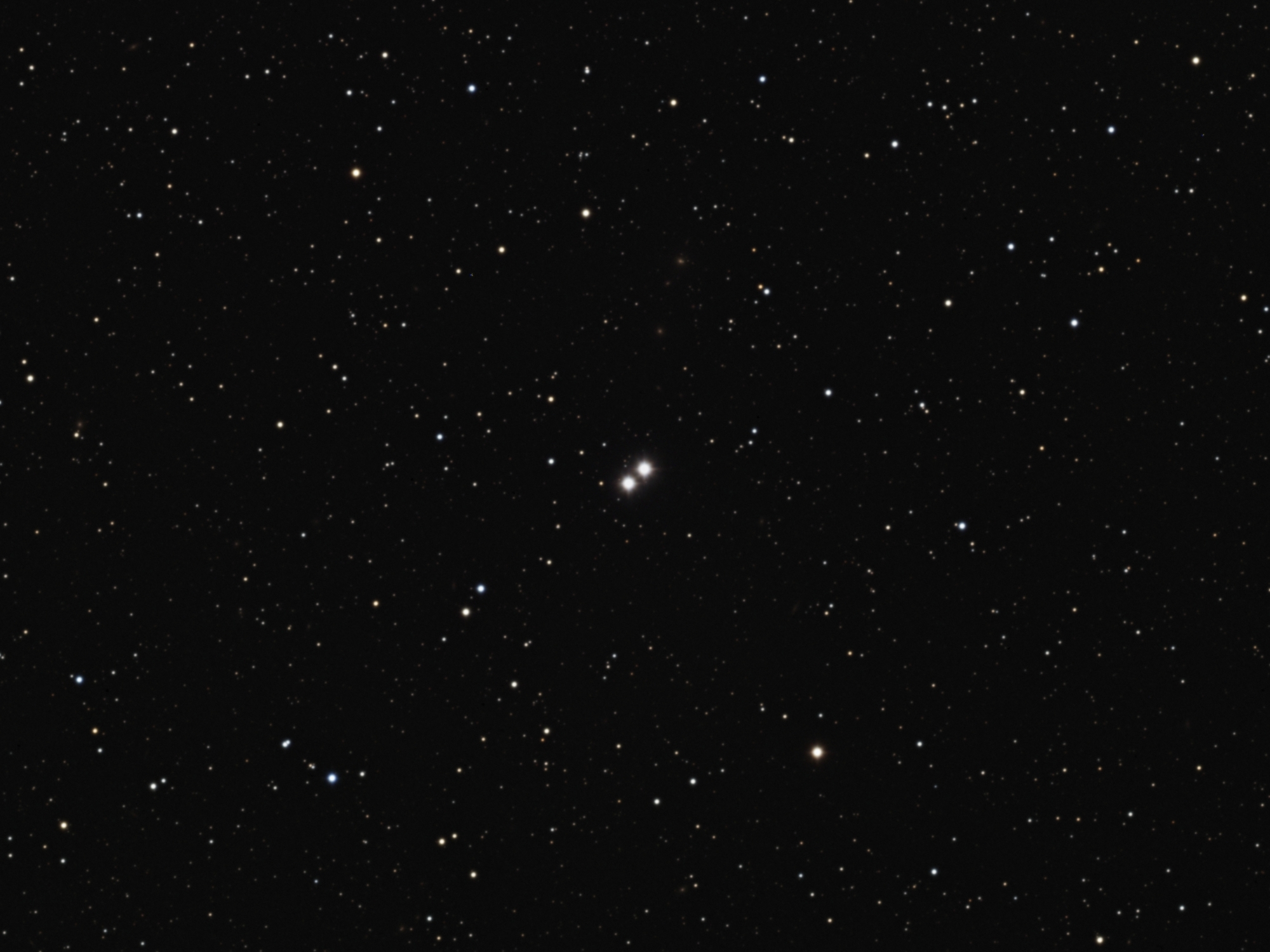
[Figure 50] 16 Cygni, a triple star system, consists of two Sun-like stars and a red dwarf
Cosmic Call was transmitted toward the triple star system 16 Cygni in 1999.
(Credit: Wikipedia)
③ Stars and Exoplanets Titled with Korean Names
Baekdu (8 Ursae Minoris) and Halla (8 Ursae Minoris b)
Baekdu and Halla are a Sun-like star about 530 light-years from Earth and a giant Jupiter-like gas planet orbiting it. What makes this star and planet special is that they bear Korean names.
Above all, gas planets like Halla have until now been considered unlikely to harbor life. Yet as the possibility of life is being discussed on Europa, one of Jupiter's moons, research into whether the moons orbiting such gas planets could also become homes for life is likely to expand further in the years ahead.
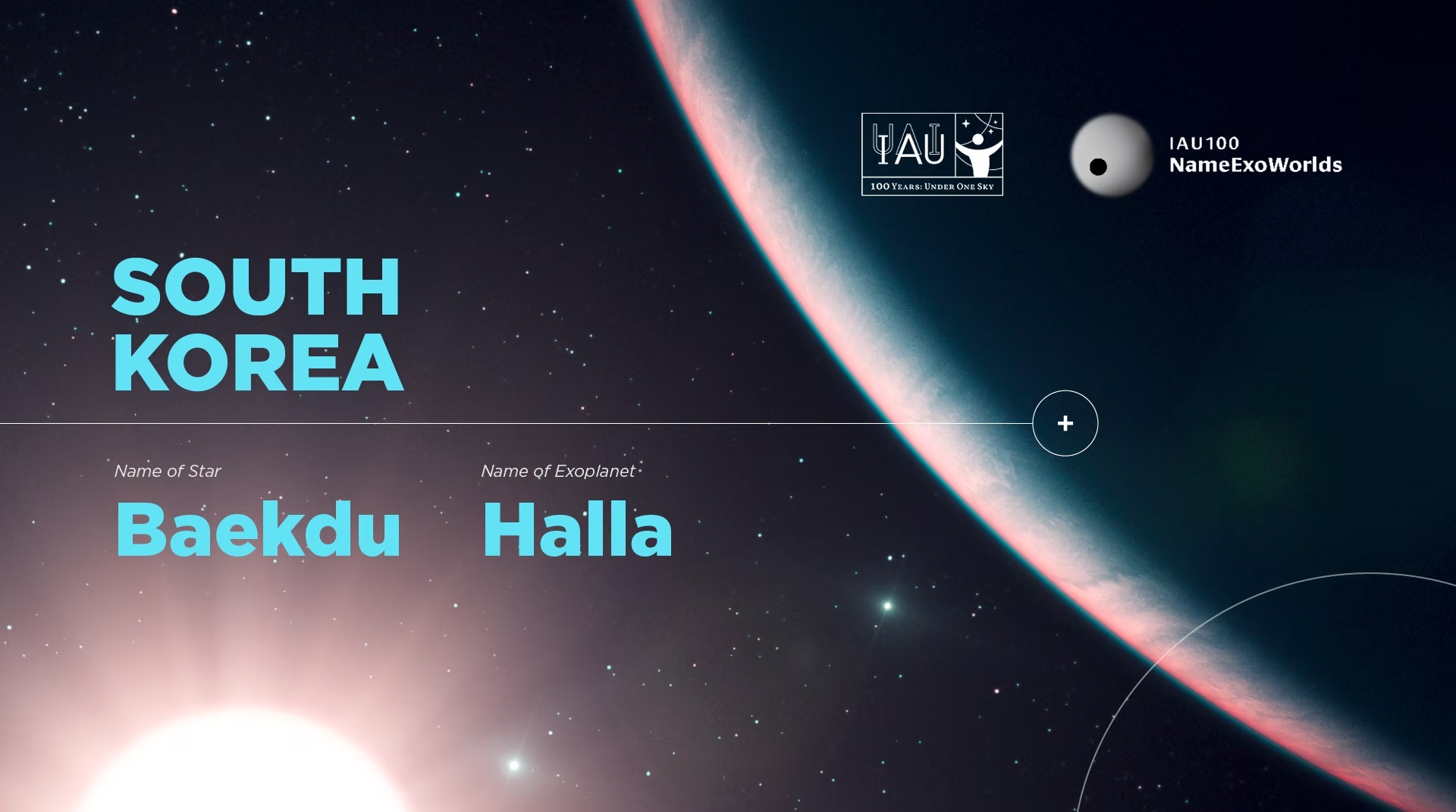
[Figure 51] Baekdu and Halla are a star and an exoplanet, named in Korean. (Credit: IAU NameExoWorlds)
6. Per Aspera Ad Astra
Transmission Hangeul began with one person's longing to reach a distant star.
But this journey is not yet over. To truly converse with our neighbors beyond the stars, many challenges still remain to be solved and overcome.
Even so, one day we will reach across the stars and connect with all the lonely beings in the universe.
May all our lives shine like starlight, somewhere in this universe, until we meet again.
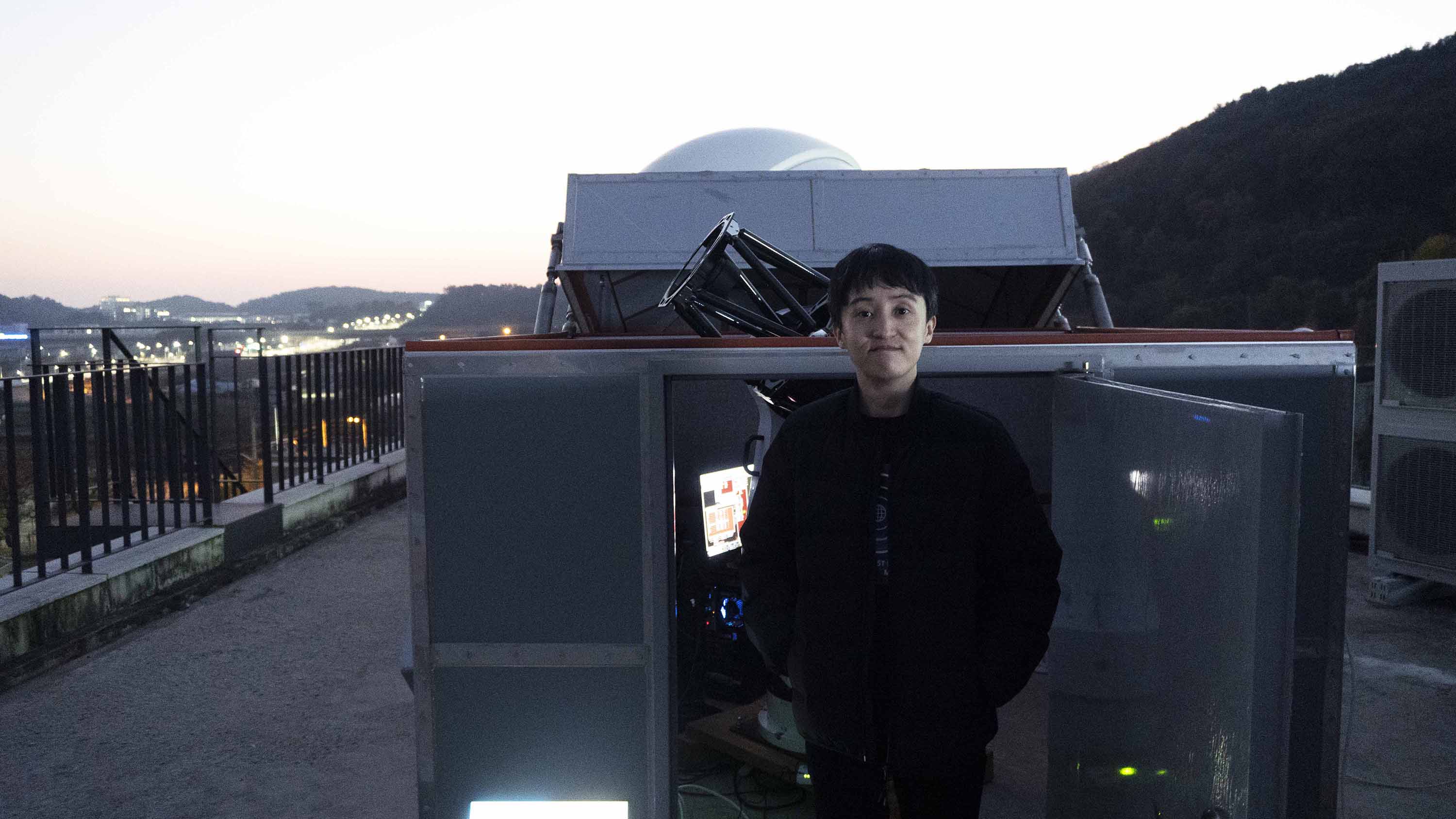
[Figure 52] A picture taken of Unhappy during the message transmission test
Unhappy hopes to connect the meaning of human life and existence with the universe. Someday, He dreams of a future where all beings in the universe are aware of one another and interconnected.
7. Participants of Transmission Hageul
Jongkuk Won (언해피의 우주여행, @unhappy.cosmictraveler)
Jongkuk Won is a Korean artist known by the name Unhappy the Cosmic Traveler. As the representative of this project, he designed and developed the interstellar message Transmission Hangeul and was responsible for selecting the list of celestial objects to which the message would be sent.
Changhyun Baek (National Science Museum)
Dr. Changhyun Baek is an astronomer and a curator at the National Science Museum. Along with Jongkuk Won, he co-planned the project Transmission Hangeul and was responsible for the formation of the team and handling all administrative tasks required for the project.
Soonchang Park(METASPACE)
CEO Soonchang Park operates a company METASPACE, which specializes in astronomical observation equipment. He was responsible for the construction and operation of the observatories where the telescope and transmitter used in this project were installed.
Wonseok Kang (Spacebeam inc.)
Dr. Wonseok Kang is an astronomer and the COO of Spacebeam Inc., a company focused on research and development of space communication technologies using lasers. He was responsible for designing the technical aspects required for message transmission and also contributed to the selection of the celestial objects to target.
Taewoo Kim (Spacebeam inc.)
Researcher Taewoo Kim is an astronomer and technician at Spacebeam. He was responsible for calculating the positions of the target celestial objects and overseeing the operation of the telescope and transmitter used for sending the message.
Kanghwan Lee
Dr. Kanghwan Lee is an astronomer who contributed to selecting the target celestial objects for the transmission of Transmission Hangeul.
Sungju Kang (Unrealscience)
Dr. Sungju Kang is an astronomer and science communicator known as "Star." He led the public talk held on the day of the transmission.
Myunghyun Rhee
Dr. Myunghyun Rhee is an astronomer and science communicator. As a SETI expert in Korea, he lectured on SETI during the public talk session held on the day of the transmission.
Haeim Jeong (Korea Astronomy and Space Science Institute)
Team Leader Haeim Jeong manages the Public Relations Team at the Korea Astronomy and Space Science Institute. The image materials from the KASI, provided by her, are also included in Transmission Hangeul.
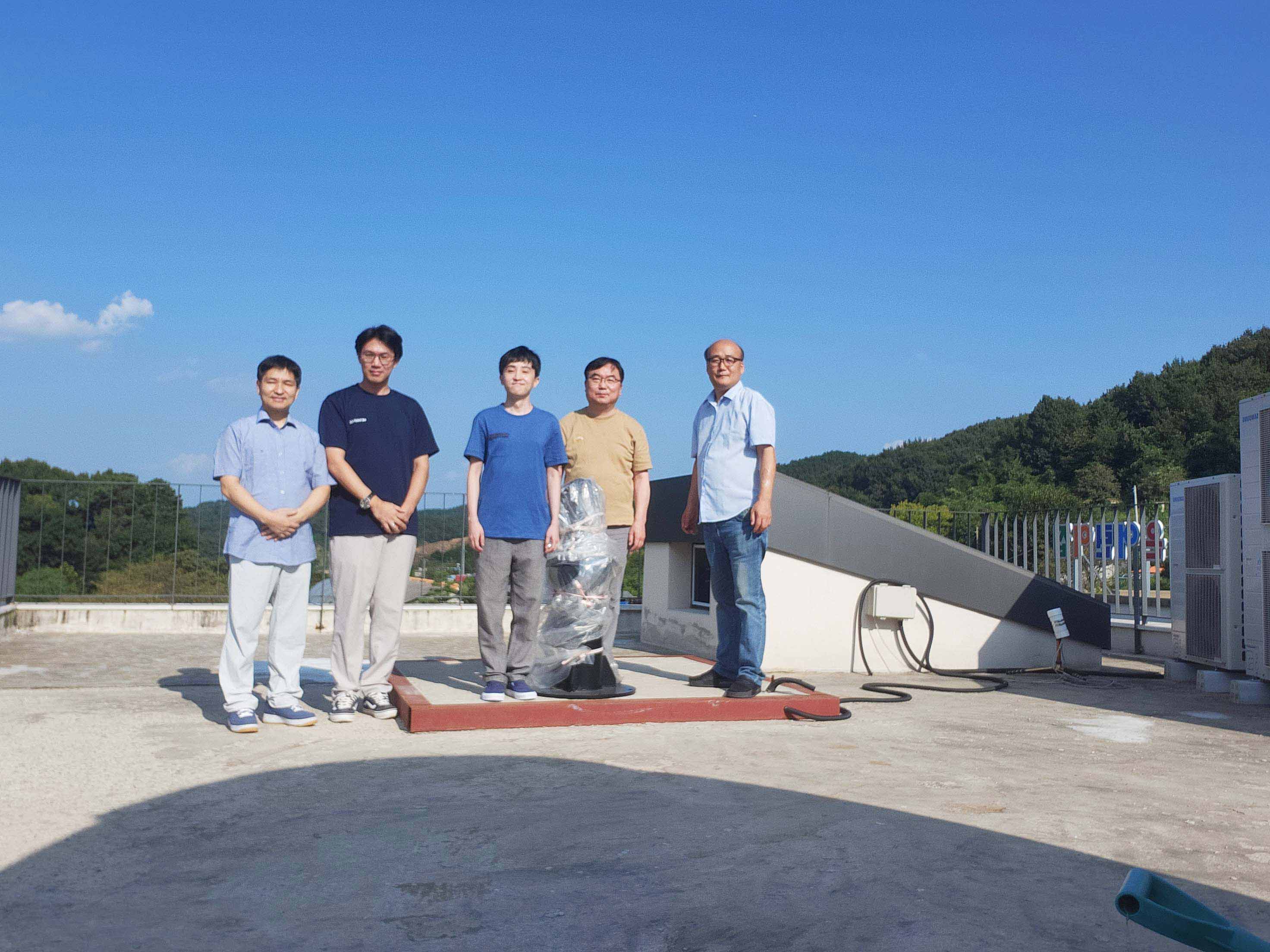
[Figure 53] The first meeting of the members after the formation of Project Transmission Hangeul
The location in the picture is the observatory before the transmitter for sending Transmission Hangeul was installed.